
The West Asia crisis disrupts global energy flows
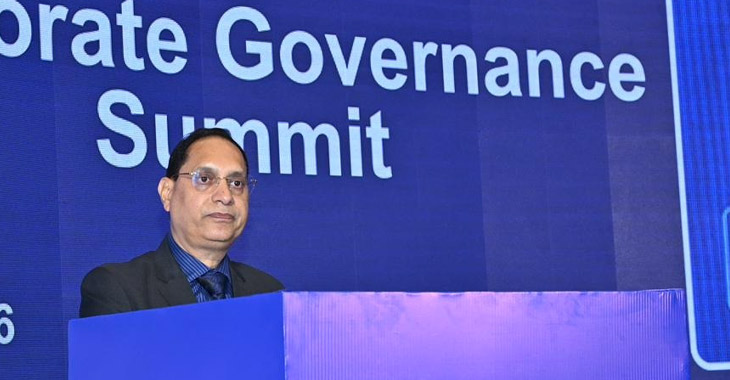
The escalating tensions in West Asia are causing disruptions to the world’s energy flow, putting a strain on the supply of oil and gas and leading to significant price fluctuations, according to Securities and Exchange Board of India (SEBI) Chairman Tuhin Kanta Pandey on Monday.
He warned in his speech to the 19th CII Corporate Governance Summit that the current war may have significant consequences for the world economy.
According to Pandey, the present catastrophe only exacerbates a string of shocks that companies and regulators have experienced in recent years, such as the COVID-19 epidemic and quick technological changes like artificial intelligence (AI), which have put institutional resilience to the test.
The SEBI chief emphasized regulatory changes, stating that the framework has changed in a measured way, improving disclosure norms through periodic and event-based requirements, establishing clear materiality thresholds and timelines, and strengthening board independence and oversight.
He also said that increased responsibility procedures, such as secretarial audits and a greater role for compliance officers, have helped to strengthen governance norms.
When discussing corporate governance, Pandey said that the emphasis should now be on the caliber of boardroom interaction and decision-making, rather than on the makeup of the board.
He emphasized the importance of independent directors and the necessity of ongoing capacity development via organized learning and robust knowledge frameworks.
Pandey also advocated for a move from frequent evaluations to ongoing monitoring, stating that institutional capacity would be essential for enhancing governance outcomes.
In the interim, CII Director General Chandrajit Banerjee stated that the Reserve Bank of India (RBI) and the government have responded quickly to the changing circumstances, which has aided in calming market confidence.
However, he said that there are still supply-side challenges in the energy, logistics, and trade industries, and that sectors like energy-intensive businesses, exporters, and MSMEs are still experiencing operational and financial difficulties.
The next round of policy responses may need to concentrate on targeted liquidity support, credit assistance, and initiatives to maintain foreign exchange stability, according to Banerjee.