
SIM-binding rule: What changes for WhatsApp from Jan 1, 2027?
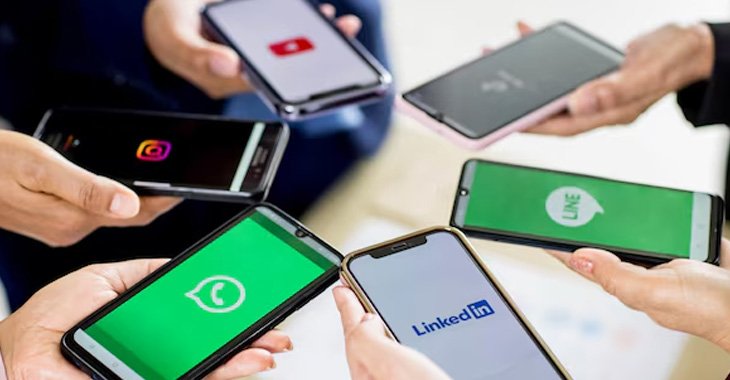
If you use messaging apps such as WhatsApp or Telegram without keeping the registered SIM card in your phone, new rules expected to take effect from January 1, 2027, could affect how you access your accounts.
The Department of Telecommunications (DoT) has set December 31, 2026, as the deadline for messaging platforms to comply with SIM-binding requirements aimed at curbing cyber fraud and the misuse of Indian mobile numbers.
Under the proposed rules, users could lose access to messaging accounts if they remove, deactivate or replace the SIM linked to the account.
The framework requires messaging apps that use Indian mobile numbers for registration to verify that the registered number remains linked to an active SIM card or eSIM on the device.
In practical terms, users may no longer be able to access their accounts indefinitely after removing the SIM they used to register.
If users remove or replace the registered SIM, or allow it to become inactive, the app could restrict access until they restore the same number through a valid SIM card or eSIM profile.
The government introduced the measure as part of a broader effort to combat cybercrime, phishing operations and so-called digital arrest scams.
According to the DoT, fraud networks have exploited Indian mobile numbers by purchasing SIM cards, registering messaging accounts and operating those accounts from outside India.
Authorities believe linking messaging accounts more closely to active SIM cards will make it harder for fraudsters to misuse Indian numbers in cross-border scams.
The government has also cited the substantial financial losses that cyber fraud has caused Indian consumers in recent years as a key reason for tightening the rules.
WhatsApp and Telegram are among the platforms expected to fall under the requirements because they use phone numbers to register and identify users.
However, reports suggest that Snapchat may not fall under the SIM-binding mandate. Signal’s status remains unclear, as reports indicate that the platform had not responded to government communications when authorities reviewed the issue.
The available information does not indicate that WhatsApp will stop working on specific iPhone or Android models from January 1, 2027. Instead, the proposed restrictions focus on SIM verification and account authentication rather than device brands or operating systems.
The changes could particularly affect users who keep their registered SIM card in a secondary phone while accessing WhatsApp on another device. They could also affect people who remove the SIM after registering their accounts or rely primarily on Wi-Fi instead of cellular services.
Users with dual-SIM phones may also need to ensure that the number linked to their messaging account remains active and meets the platform’s requirements.
The rules are expected to cover both physical SIM cards and eSIM profiles. Users who keep the registered number active through an eSIM may avoid issues related solely to the absence of a physical SIM card, provided their setup meets the applicable verification requirements.