
RBI strengthens e-mandate regulations for recurring payments over Rs 15,000
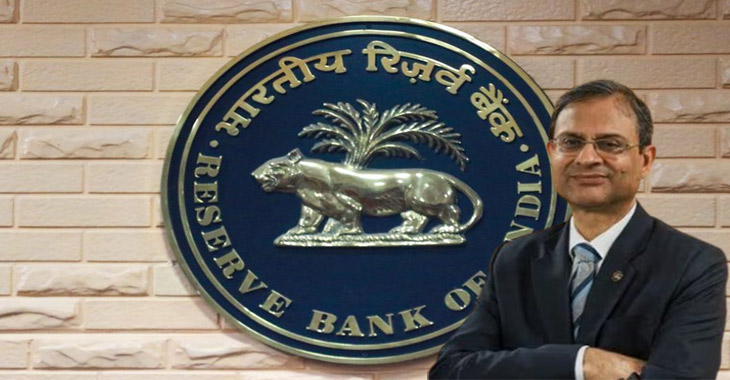
The Reserve Bank of India (RBI) published comprehensive guidelines for e-mandates in digital payments on Tuesday, requiring an extra layer of authentication (AFA) to increase the security of recurring transactions.
The new standards apply to all payment system providers and users that process auto-debit payments via cards, prepaid payment devices, and the Unified Payments Interface (UPI), regardless of whether the transactions are domestic or international. The instructions are now in effect.
Customers who choose the e-mandate option will be required to go through a one-time registration procedure under the updated system.
The RBI stated that the mandate will only become operative after the successful validation of an extra authentication component, in addition to the regular verification procedure conducted by issuers.
Additionally, the central bank made it clear that every e-mandate transaction must first pass via this extra authentication layer.
The RBI announced that recurring transactions over Rs 15,000 would need extra authentication in order to improve security.
This additional layer of verification will also be necessary before processing high-value payments such as credit card bill payments, insurance premiums, and mutual fund subscriptions that exceed Rs 1 lakh.
Within the confines established by the central bank, the framework grants users the freedom to establish e-mandates for either a fixed or variable sum.
Issuers are required to allow customers to set a maximum transaction amount in the event of fluctuating mandates.
A new verification is necessary for any change to an existing mandate.
Customers will have the option to change or terminate each e-mandate at any moment during its specified validity duration.
To ensure transparency, the RBI has mandated that issuers explicitly disclose these characteristics to customers throughout the registration procedure.
The central bank made it clear that there would be no fees for customers to use the e-mandate facility for recurring payments.
Furthermore, it was stated that payments made under e-mandates will not be subject to any independent restrictions or controls imposed by customers outside the framework.