
India’s nuclear fuel base is getting closer to expansion
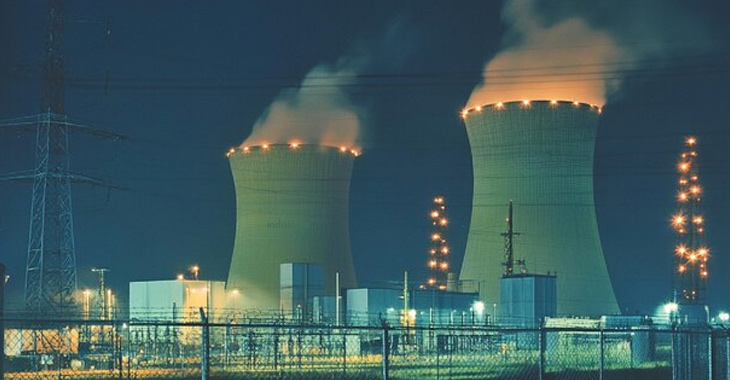
India might be closer to completely relying on its own nuclear energy after reaching an important goal in its big three-step nuclear plan, according to a Report.
The report said this development could be a major change in India’s long-term plan to solve fuel shortages and create a reliable nuclear energy system.
The report says that India has had a big problem for a long time: “India didn’t have much uranium, which is the fuel that most nuclear reactors use. ” Even now, the country still needs to buy uranium from other countries, including important deals with places like Canada.
India has a lot of thorium, which is about 25 percent of the world’s total, hidden in its sands. This gives it a special chance for the future.
The report states that thorium can’t be used as fuel right away and needs to be converted first. This led India to take a long-term plan instead of looking for quick solutions. Instead of rushing, Indian nuclear scientist Dr. Homi J Bhabha aimed for something bigger: a way to make India self-reliant with its resources, even if it took many years to achieve.
This plan started India’s three-step nuclear program. It began with using uranium, then moved to plutonium, and finally aimed to use thorium. The second stage was not finished for many years. But that has changed recently.
On April 6th, India’s Prototype Fast Breeder Reactor (PFBR) at Kalpakkam reached a big milestone for the first time. This means that the reactor can now run on its own without needing extra help, which is an important step for nuclear power.
Although there are fast breeder reactors in other countries, the Vietnam Times notes that “in most places, the work on these reactors hasn’t gone as expected.
” India’s determination is notable, it said. “Still, India kept working towards this goal. ” It remained dedicated to breeder reactors because they were important.
The importance of the milestone is in what it means for the future. According to Vietnam Times, “By reaching a key milestone, India has demonstrated that it can operate a reactor with plutonium fuel, moving closer to expanding its nuclear fuel options. ” These reactors can make more useful material than they use, turning limited resources into renewable fuel.
The report also points out that the technology used is very complicated. It involves using a special type of fuel and liquid sodium for cooling, which needs to be carefully sealed, watched, and made with great accuracy.
Even with the progress made, the report warns that there are still problems to deal with. Nuclear energy makes up a little more than 3 percent of the electricity produced in India, and there is still a lot of progress to be made. If it works, the program could greatly lower the need for imported uranium.
In summary, the report says that India might finally be achieving Dr. Bhabha’s dream of using fuel it already has instead of depending on other countries for it.