
India’s auto metal forming industry is expected to grow rapidly
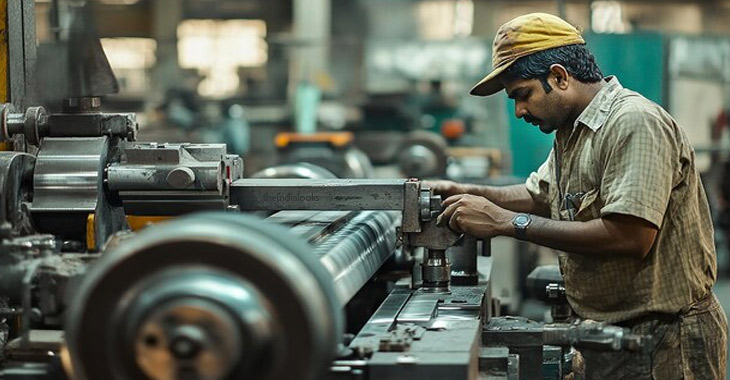
India’s domestic market for automotive metal forming is expected to almost double to $90–95 billion by FY30, with an annual growth rate of about 12%, as global supply chain realignments shift value concentration toward process-led manufacturers.
India’s auto component industry, which includes casting, forging, stamping, and machining, surpassed $80 billion in size in FY25 and became a net exporter during the year, with exports totaling about $23 billion, according to an analysis by Avendus Capital.
The shift, it claimed, represents not just a rise in scale but also a structural improvement in the complexity of production, quality standards, and integration with the global economy.
Additionally, the study emphasized the ongoing shift in global automotive supply chains, where original equipment manufacturers and Tier-1 suppliers are diversifying their sourcing bases in the face of geopolitical uncertainty and cost constraints.
Cost competitiveness, engineering skills, and a well-established supplier ecosystem are helping India establish itself as a popular manufacturing location.
With ever-increasing demands for accuracy, weight reduction, and complexity, the paper also highlighted that key metal-forming techniques are still necessary for both internal combustion engine and electric vehicle platforms.
It also highlighted India’s possible advantage in ICE components as global suppliers shift funds toward electrification and reduce investment in ICE-related production, resulting in a supply deficit in drivetrain components like crankshafts, gears, and axles.
The aftermarket prospect offers additional upside because there are more than 1. 5 billion ICE vehicles in the world’s car parc.
According to Koushik Bhattacharyya, Managing Director and Head of Industrials Investment Banking at Avendus Capital, the Indian auto component industry is shifting from a growth phase driven by scale to one that is focused on capability consolidation. India is in a great position to seize this chance, especially in essential metal-forming sectors, as worldwide supply chains change.
From a deal activity perspective, the industry is experiencing increasing interest from international private equity companies and strategic purchasers, with investors favoring companies that have strong process experience, an export orientation, and scalable manufacturing platforms.