
Europe Strengthens Economic Ties With India Amid Shifting Global Order
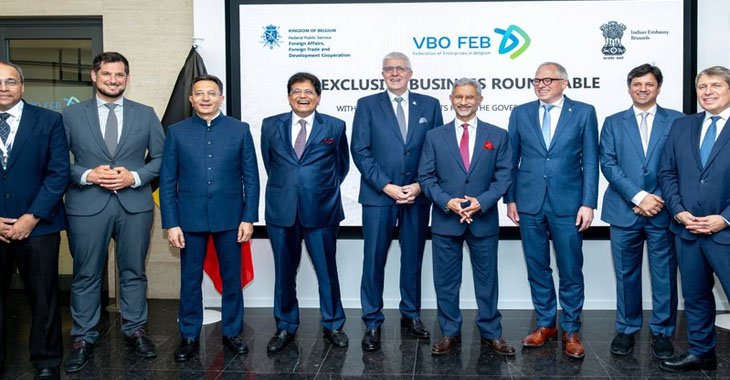
Europe is increasingly seeking to strengthen economic ties with India amid the changing global order. The European Free Trade Association (EFTA) agreement, which took effect on October 1, 2025, and the proposed broader India-European Union (EU) free trade agreement (FTA) reflect this growing interest, according to an article published by Brussels Signal.
Switzerland, Norway, Iceland and Liechtenstein participated in the second India-EFTA Prosperity Summit in New Delhi on October 7. Both sides announced new business projects and reviewed progress under the agreement. Swiss President Guy Parmelin said 53 Swiss companies had outlined investment plans across 20 economic sectors.
Norway highlighted the presence of around 160 Norwegian companies operating in India. Both sides also identified opportunities in advanced manufacturing, medical technologies, maritime transport and energy.
However, these announcements do not offer a complete picture of the agreement’s impact. The official documentation marking its first anniversary does not provide a consolidated figure for fresh investments actually disbursed or jobs directly created under the deal. The Indian government reported a $202 million (181 million euros) increase in Swiss investment in the country between September 2025 and March 2026.
Meanwhile, the European Union, which operates separately from EFTA, has accelerated trade negotiations with India. Both sides aim to conclude the agreement in December this year, during Prime Minister Narendra Modi’s visit to Brussels.
The article highlights that merchandise trade between India and the EU-27 reached 118 billion euros in 2025. Europe imported Indian goods worth 69.5 billion euros and exported goods worth 48.9 billion euros, leaving it with a trade deficit of 20.6 billion euros.
These figures made the EU India’s second-largest trading partner in goods, after the United States and ahead of China, highlighting the significant potential for deeper economic ties.
European direct investment in India also reached 132.8 billion euros in 2024. More than 6,000 European companies operate in the country and directly provide around three million jobs, the article states.
The agreement negotiated with Brussels provides for tariff reductions or eliminations on 96.6 per cent of European goods exports to India, according to the European Commission.
The Commission estimates that the deal could save European exporters around 4 billion euros annually in customs duties once both sides fully implement it. Amid the ongoing tariff tensions between Washington and Beijing, the article describes this development as welcome news.