
Domestic LPG supply is unchanged, but panic bookings decline
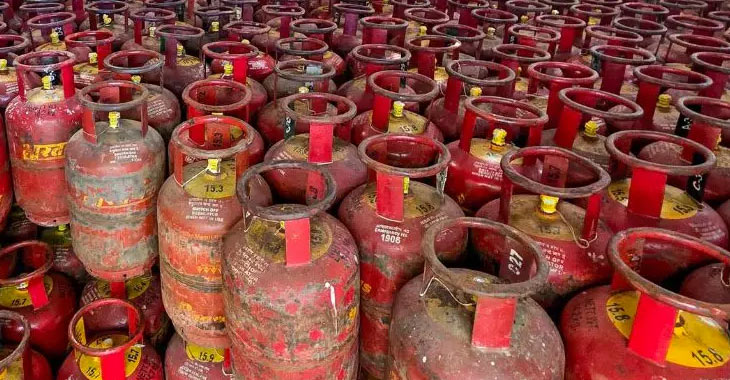
In the midst of worldwide disruptions caused by the Middle East war, the Ministry of Petroleum and Natural Gas announced in an update on Sunday that the supply of domestic LPG cylinders remains uninterrupted, panic bookings have decreased, and the government has raised the amount of commercial LPG that is allocated to states.
About half of the entire commercial LPG allocation is going to hospitals and educational institutions, which have been given priority.
Additionally, priority will be given to allocating 20% more commercial LPG to industries such as restaurants, dhabas, hotels, industrial canteens, food processing, dairy, and food canteens operated by state governments or local organizations.
To encourage new PNG connections for both residential and business consumers, states have been instructed to take action. In addition, raids are still conducted in states and UTs to combat the black market and stockpiling of LPG.
Steps have been taken to ensure a steady supply of petroleum products and LPG nationwide in light of the closure of the Strait of Hormuz.
With sufficient crude stocks, all refineries are now operating at full capacity. Additionally, the nation has enough gasoline and diesel supplies. The ministry update stated that the national manufacture of LPG from refineries has been increased.
According to the oil marketing firms (OMCs), there have been no instances of fuel dry-outs at any of the retail locations. The government reaffirmed its recommendation to the public not to engage in panic purchases since there are sufficient supplies of gasoline and diesel and supplies are being replenished frequently.
The administration is still closely monitoring developments in West Asia and actively taking measures to maintain preparedness and response throughout important industries, according to the statement.
Priority sectors on the natural gas front have been safeguarded with 100% supply to domestic PNG for household cooking and CNG for cars. According to the statement, the supply to industrial and commercial consumers connected to the grid is 80% of their average consumption.
The government has also instructed compressed gas distribution (CGD) organizations to give PNG connections priority in all their areas for business establishments like restaurants, hotels, and canteens in order to alleviate worries about the availability of commercial LPG.
Businesses in the CGD sector, such as BPCL, GAIL Gas, MGL, and IGL, have provided incentives for consumers to get PNG connections for their homes and businesses. The Petroleum and Natural Gas Regulatory Board (PNGRB) has also instructed CGD organizations to reduce the time interval between submitting applications and beginning to provide gas to consumer homes.
Additionally, the Center has urged states and union territories to expedite the clearance process for applications necessary for the CGD network’s growth.