
BRICS talks about connecting CBDCs with quick payment methods
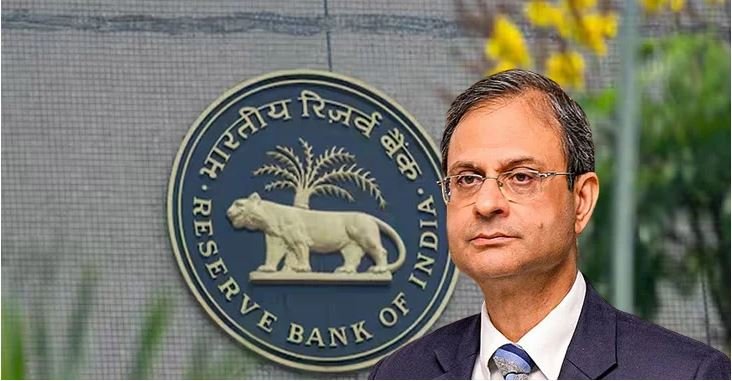
Reserve Bank of India Governor Sanjay Malhotra said that New Delhi is preparing to host the 2026 BRICS summit in September, and that BRICS countries are exploring potential connections between their central bank digital currencies (CBDCs) and fast-payment systems.
Sanjay Malhotra, the governor of the Reserve Bank of India, said that BRICS countries are studying potential relationships between their central bank digital currencies (CBDCs) and rapid payment systems as New Delhi gets ready to host the group’s 2026 summit in September.
Among other members, Brazil, Russia, India, China, and South Africa are members of the BRICS group.
According to multiple accounts, Malhotra informed the yearly FIBAC conference in Mumbai that “cross-border payments is an area of interest for all of us, including the BRICS, because we feel there is a lot of scope for reducing cost. ”
Malhotra stated that the BRICS group is particularly interested in cross-border payments since there is a lot of potential to cut transaction costs and quicken retail payments.
The governor said that although several options are still being considered, including CBDC and connections of fast payment systems, they are still in the discussion stage.
The RBI governor further said that the central bank is still working to internationalise the rupee and promote the usage of local currencies in commerce and payments.
Malhotra stated that India now has bilateral local-currency agreements with Indonesia, the Maldives, Mauritius, and the United Arab Emirates, and that efforts to increase the amount of trade settled in local currencies must be made.
Malhotra also reportedly urged Indian banks to consider artificial intelligence a capability to be exploited rather than merely a hazard to be controlled.
He advised banks to catalog all AI models currently in use and establish board-approved AI governance policies, noting that Indian banks cannot afford to remain idle.
“The governor stated that while geopolitical threats, like the dispute in West Asia, endanger India’s short-term growth, policies enacted by politicians may help the economy over the long run. ”
These measures include lowering energy intensity, switching to electric vehicles, diversifying energy and fertilizer sources, signing free trade agreements, and ethanol blending.
He continued by stating that India’s banking system is prepared to handle geopolitical challenges thanks to solid capital reserves, fewer impaired assets, and good profitability.