
5 Old Village Foods That Were Naturally Rich in Protein
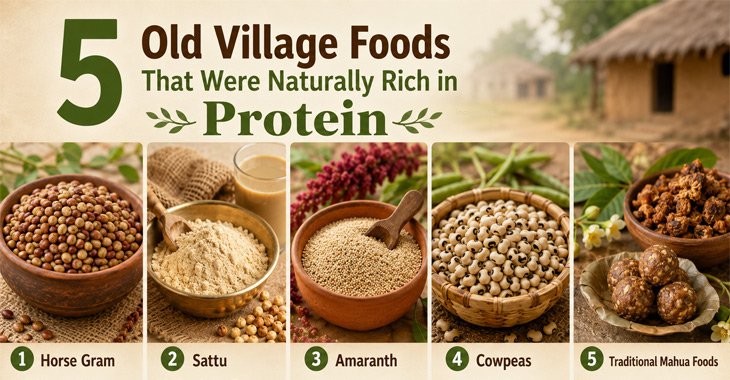
Long before protein became a headline on nutrition labels, protein-rich foods were already part of everyday village cooking.
In many Indian communities, people relied on inexpensive pulses, seeds, grains, greens and locally available ingredients that could be grown, gathered or stored with little technology.
These foods were not marketed as “high-protein” superfoods. They were simply practical staples that helped make modest meals filling and nourishing.
Some of these traditional foods have gradually disappeared from regular household menus. Changing agricultural practices, the popularity of polished grains, urban lifestyles and the convenience of packaged foods have all contributed to the decline of many regional ingredients.
Yet a closer look at traditional village diets reveals an interesting lesson: protein did not always come from expensive or fashionable ingredients.
Here are five lesser-remembered traditional foods that were naturally good sources of protein and played important roles in rural food cultures.
1. Kulith, or Horse Gram: The Humble Pulse Built for Hard Times
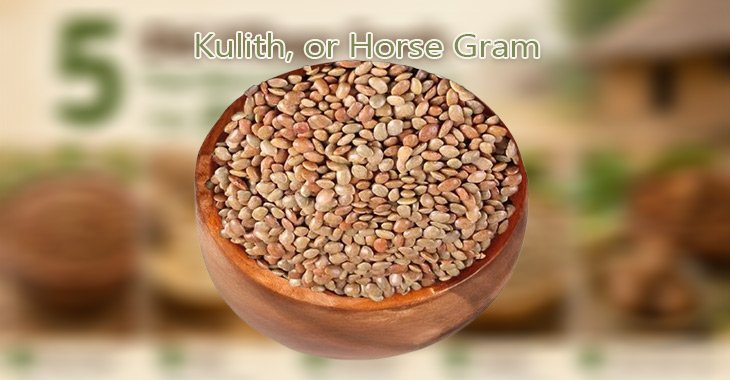
Horse gram, commonly known as kulith in several parts of India, is one of the most overlooked traditional pulses. It has historically been grown in dry, hilly and semi-arid regions because the crop is remarkably hardy. It can tolerate relatively poor soils and limited rainfall, making it particularly valuable to farming communities where more demanding crops were difficult to cultivate.
For generations, kulith was turned into soups, dals, chutneys, curries and steamed preparations. In some regions, the cooking liquid left after preparing horse gram was also used as a base for traditional dishes. Its earthy flavour and dense texture made it particularly satisfying during physically demanding agricultural work.
Nutritionally, horse gram stands out because it contains a substantial amount of plant protein for a pulse. Like other legumes, it also supplies complex carbohydrates and dietary fibre, making it considerably more filling than many refined grain-based foods.
One reason it may have faded from urban diets is its rustic reputation. Unlike polished lentils that cook quickly and have a relatively mild flavour, horse gram generally needs soaking and longer cooking. Its strong, earthy character can also require more seasoning.
But those qualities were hardly disadvantages in a village kitchen. Traditional cooking was often designed around ingredients that could be stored for long periods and transformed into hearty meals. A pot of horse gram dal, for example, could turn a simple serving of rice or millet into a more substantial meal.
Today, kulith deserves renewed attention not because it is a trendy “superfood,” but because it demonstrates how traditional agriculture and nutrition often worked together. A crop that survived difficult growing conditions also provided families with an economical source of nourishment.
2. Sattu: The Village Protein Food That Needed Almost No Cooking
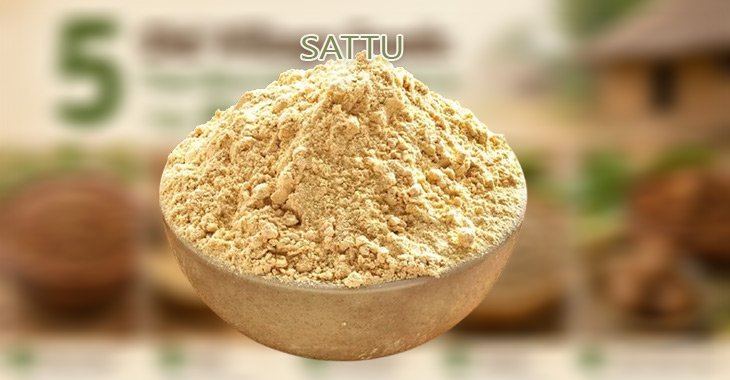
Sattu is another traditional food whose simplicity is easy to underestimate. It is generally made by roasting and grinding grains or pulses, with roasted Bengal gram being one of the best-known versions. Depending on the region, the exact preparation and ingredients vary.
For rural workers and travellers, sattu was particularly useful because it was portable, shelf-stable and quick to prepare. Instead of requiring a complicated cooking process, the flour could be mixed with water and seasonings to make a cooling drink or a thicker savoury preparation. It could also be used in stuffed flatbreads and other dishes.
Roasted gram-based sattu is naturally rich in plant protein compared with many common cereal foods. It also provides fibre and carbohydrates, making it an efficient ingredient for a simple meal or snack.
Its popularity historically made practical sense. Village households did not necessarily have the time, fuel or equipment to prepare elaborate protein-rich dishes several times a day. A dry roasted pulse flour solved several problems at once: it was easy to store, easy to transport and required minimal preparation.
The traditional pairing of sattu with water, salt, spices and sometimes lemon or other local ingredients also illustrates an important feature of older food systems. Foods were often valued for convenience without being highly processed in the modern sense.
Sattu has survived in some parts of India, but outside its traditional regions it is still surprisingly unfamiliar. Modern consumers may associate protein with packaged powders, bars and fortified drinks, while a traditional roasted-pulse flour can seem almost too ordinary to notice.
Yet that ordinary quality is precisely what makes sattu interesting. It shows that a useful protein source does not have to come in sophisticated packaging. A roasted legume, ground into flour and kept ready for use, can be remarkably practical.
3. Amaranth Seeds: The Tiny Grain Once Common in Village Kitchens
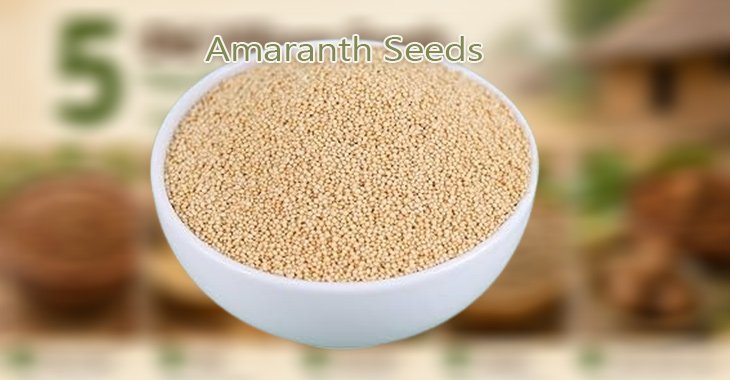
Amaranth is often presented today as an ancient “new” grain, particularly in health-food circles. In reality, amaranth has a long history of cultivation and consumption across different parts of India and other regions of the world.
Known by regional names such as ramdana and rajgira, amaranth has been used in porridges, flatbreads, sweets and popped preparations. Its seeds are small, but they are nutritionally interesting, particularly because they contain more protein than many conventional cereal grains.
This distinction matters. Most traditional grain-based diets are heavily dependent on cereals, which provide energy but are not especially protein-dense compared with legumes and certain seeds. Amaranth can contribute both energy and protein, making it a useful addition to a mixed traditional diet.
The plant itself is also valuable from an agricultural perspective. Certain amaranth varieties can grow under challenging conditions, and both the seeds and leaves have culinary uses. The leaves, eaten as greens in many regions, provide additional nutrients and variety.
Traditional village diets were rarely built around one “perfect” food. Instead, households combined cereals, pulses, vegetables, seeds and fermented foods. Amaranth fitted naturally into this pattern. It could complement other staples and help diversify the nutritional profile of a meal.
Its recent revival illustrates an interesting contradiction. Some foods become forgotten locally and then return through the global health-food market with new packaging and unfamiliar terminology. The ingredient may be described as exotic, even though earlier generations knew it as a practical village crop.
Amaranth is therefore a useful reminder that traditional food knowledge can disappear without the food itself disappearing completely. Sometimes an ingredient survives in regional kitchens while being overlooked by mainstream food culture. Later, it is rediscovered and presented as something new.
4. Cowpeas, or Lobia: The Affordable Pulse of Dryland Farming
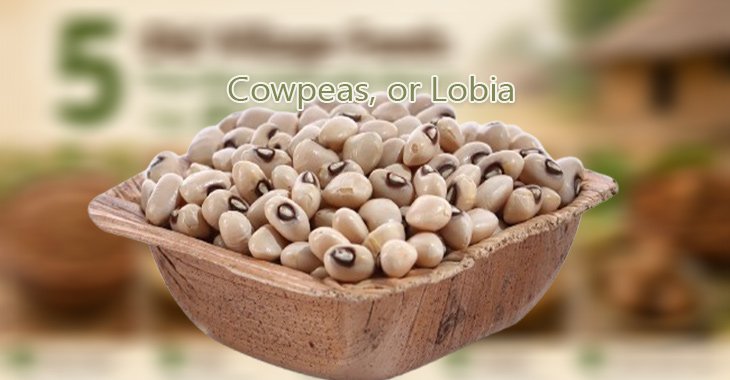
Cowpeas, commonly known as lobia, have been grown and eaten across many parts of India. They are particularly suited to warm climates and can be valuable in regions where water availability limits agricultural choices.
The beans can be cooked as curries, dals and stews or incorporated into other regional dishes. Like other legumes, cowpeas are naturally rich in plant protein and fibre, making them useful in diets where animal foods may have been limited or eaten only occasionally.
Traditional pulses such as lobia played a bigger role in rural food security than their modern popularity might suggest. A dried pulse can be stored for months, transported relatively easily and cooked into a meal when fresh vegetables are unavailable.
This storage advantage was particularly important before modern refrigeration and highly developed food-distribution systems. A household pantry containing several kinds of pulses effectively provided a dependable nutritional reserve.
Cowpeas also fit well into mixed farming systems. Farmers could grow crops for both household consumption and agricultural resilience rather than focusing exclusively on a single commercial crop. In traditional settings, the value of a food was therefore measured in several ways: how easily it grew, how well it stored, how much it yielded and how nourishing it was.
Today, lobia is still eaten widely in parts of India, but it can be overshadowed by more familiar dals. That is unfortunate because dietary variety matters. Different pulses provide different combinations of protein, fibre, minerals and other nutrients, and rotating them can make a plant-based diet more diverse.
The story of lobia also highlights an important principle of traditional nutrition: protein-rich foods did not have to be expensive. Dried beans were among the most economical ways for farming families to add substantial plant protein to meals.
5. Mahua Flowers and Seeds: A Traditional Food Beyond the Familiar Uses
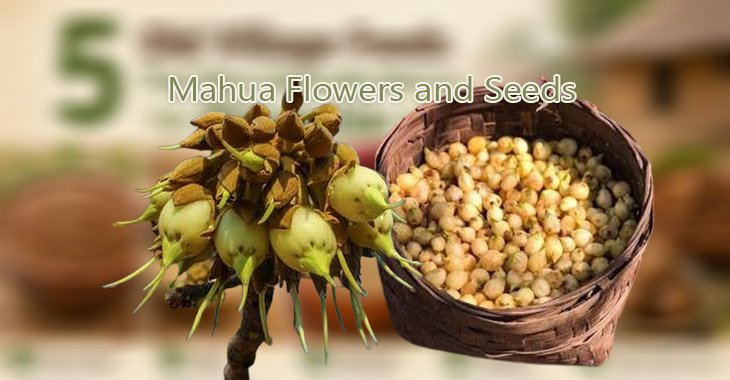
Mahua occupies a special place in the food traditions of several tribal and rural communities in central and eastern India. The tree has long been valued for multiple purposes, and its flowers have traditionally been collected, dried and stored.
Mahua is often discussed primarily in connection with beverages and cultural practices, but its broader role in traditional food systems deserves attention. The flowers contain carbohydrates and are naturally sweet, which made them useful as an energy-rich seasonal food. The seeds, meanwhile, contain significant amounts of oil and have been used traditionally in some communities.
Mahua is somewhat different from the other foods on this list because it is not primarily a protein-rich pulse. It is better understood as an example of how traditional food systems used an entire locally available plant rather than relying on a narrow list of commercially important crops.
That distinction is important when discussing “high-protein” village foods. Not every traditional food that contributed to nourishment was exceptionally high in protein by modern nutritional standards. Rural diets worked through combinations: pulses supplied protein, grains supplied energy, vegetables supplied micronutrients, and seeds and other foods added fats and additional nutrients.
Mahua trees also illustrate the resilience of food systems based on wild or semi-domesticated resources. A mature tree could provide useful food products without requiring the same annual cultivation cycle as a field crop. For communities living close to forests, such resources could be an important part of seasonal food security.
Because mahua has strong cultural associations, it should not be reduced to a single nutritional label. Its significance lies in the wider relationship between people, forests and traditional diets. Modern food systems tend to separate “food crops,” “forest products” and “cultural foods” into different categories. Village food traditions were often much less rigid.
What These Forgotten Foods Teach Us About Traditional Protein
Looking at these five foods together reveals a pattern that is easy to miss when nutrition is discussed only through modern packaged products.
Traditional diets often achieved nutritional balance through combination rather than concentration.
A bowl of millet with a pulse curry, for example, could provide a different nutritional profile from either food alone. A roasted pulse flour could turn into a quick meal. Seeds could supplement cereals. Seasonal greens could add micronutrients. Fermented foods could alter digestibility and flavour.
This approach was also closely connected to agriculture. Hardy crops such as horse gram and cowpeas could perform well under conditions where water-intensive crops struggled. Seeds such as amaranth offered another source of nutrients. Dried pulses could be stored and used throughout the year.
In other words, traditional village food was often designed around resilience.
Modern diets sometimes separate nutrition from agriculture. We ask which food contains the most protein per serving without asking whether it grows easily, stores well, requires large amounts of water or fits the local climate. Earlier food cultures often had no such separation. A food that was nutritious but impossible to grow reliably was less useful than one that could survive a difficult season.
There is also an important lesson in the way these foods were prepared. Soaking, sprouting, roasting, grinding and fermenting were common traditional techniques. These methods could improve flavour, texture and culinary versatility and, depending on the food and method, can also influence digestibility and nutrient availability.
That does not mean every traditional food preparation was nutritionally superior to modern cooking, nor should “traditional” automatically be treated as synonymous with “healthy.” Traditional diets also varied enormously between communities, seasons and economic circumstances.
Still, the diversity of these foods offers something worth preserving.
Bringing Village Protein Foods Back to the Table
The revival of traditional foods does not require abandoning modern nutrition or returning completely to an older way of eating. Instead, it can mean giving overlooked ingredients another place in contemporary kitchens.
Horse gram can become a hearty soup or dal. Sattu can be used as a quick savoury drink or filling. Amaranth can be cooked like a grain or popped for use in traditional-style snacks. Lobia can replace more familiar beans in curries and salads.
The key is variety.
Rather than searching for one magical protein source, traditional food wisdom suggests building meals from several complementary ingredients. Pulses, grains, seeds, vegetables and other local foods can each contribute something different.
It is also worth remembering that protein content can vary according to the exact variety, preparation and serving size. Calling a food “naturally high in protein” should not imply that eating it alone produces a complete or perfectly balanced diet. Overall dietary pattern matters far more than any single ingredient.
The larger story, however, is compelling. Many village foods that once seemed ordinary were shaped by generations of practical experience. They were inexpensive, adaptable, locally available and often nutritionally useful.
Today, the search for better protein sources has created a huge market for powders, bars and highly engineered foods. There is certainly a place for convenient modern products, but they are not the only answer.
Sometimes the more interesting answer is already sitting in an old grain sack, a village pantry or a recipe passed down through generations.
Horse gram, sattu, amaranth, cowpeas and the broader food traditions surrounding mahua demonstrate that rural communities had their own sophisticated approaches to nourishment. These foods may not have carried modern nutritional buzzwords, but they were closely connected to the realities of farming, climate, storage and daily labour.
Perhaps that is why they are worth remembering.
The forgotten foods of village India are not merely culinary curiosities from the past. They represent a form of food knowledge built around affordability, adaptability and diversity.
Bringing them back into conversation can help us appreciate an important truth about nutrition: sometimes the foods we overlook because they seem ordinary are precisely the foods that have been quietly doing the job for generations.