India and Chile want the CEPA talks to end on schedule
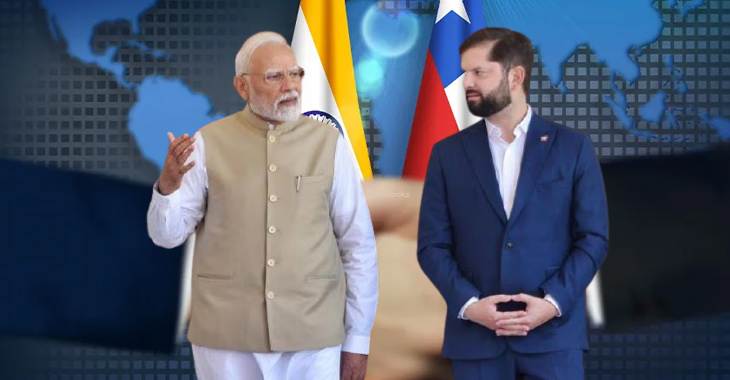
India and Chile have reaffirmed their strong dedication to concluding the Comprehensive Economic Partnership Agreement (CEPA) negotiations punctually, recognizing the strategic importance of further enhancing their economic relationship.
The fourth round of negotiations for the India–Chile CEPA was successfully wrapped up, with the five-day session featuring intensive and constructive discussions among the delegations from both countries, leading to significant advancements across the various chapters under negotiation, as stated by the Commerce Ministry.
During these discussions, Claudia Sanhueza, Treasury Undersecretary at the Chilean Ministry of Foreign Affairs, held a meeting with Commerce Minister Piyush Goyal.
“They emphasized that the CEPA, once finalized, will be crucial in increasing bilateral trade, fostering economic collaboration, improving market access, and generating new opportunities for businesses in both nations,” the ministry reported.
Previously, the third round of negotiations for the India–Chile CEPA took place in Santiago, Chile, from October 27-30.
The discussions spanned a variety of chapters, including Trade in Goods and Services, Investment Promotion, Rules of Origin, Intellectual Property Rights, TBT/SPS measures, Economic Cooperation, and Critical Minerals.
Last month, India and Chile conducted their 9th round of Foreign Office Consultations in Santiago, where they agreed to enhance cooperation in key sectors like trade, investment, connectivity, health and pharmaceuticals, traditional medicine, science and technology, mining and mineral exploration, defense, civil nuclear technologies, education, space, agriculture, and people-to-people interactions.
India urged Chile to explore long-term agreements for the supply of mineral resources. During the meeting, officials from both countries agreed to expand their bilateral relations into new and relevant areas such as Digital Public Infrastructure, innovation, and green energy, according to a statement from the Ministry of External Affairs (MEA).