
DGCA orders airlines to inspect Boeing aircraft’s fuel switches
Airlines have been directed by the Directorate General of Civil Aviation (DGCA) to inspect the locking mechanism of the fuel control switches on Boeing aircraft in their fleets.
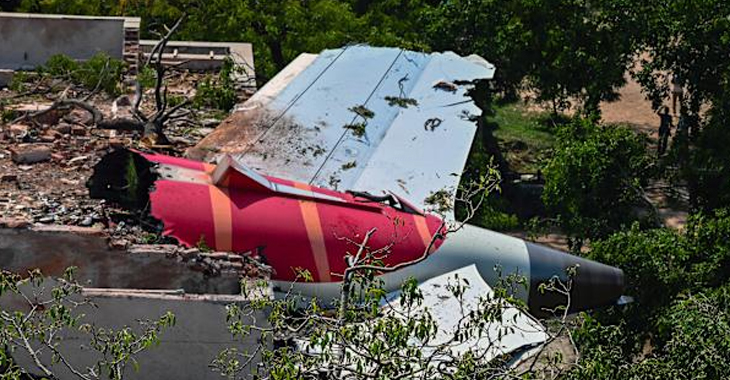
The action follows the preliminary inquiry findings on the catastrophic Air India Boeing Dreamliner crash in Ahmedabad last month, which claimed 260 lives.
As the fuel supply was cut off, the twin engines of the doomed Boeing jet shut down seconds after takeoff, according to one of the main conclusions of the Air Accidents Investigation Bureau’s first study on the incident.
Just three seconds after takeoff, the aircraft’s engine fuel cutoff switches changed from “Run” to “Cutoff,” which sparked new worries, according to the report.
One pilot was heard asking the other, “Why did you cut off?” on the voice recording of the downed aircraft. “I didn’t,” his colleague retorted.
The FAA’s 2018 alert, which warned of a possible malfunction of the fuel control switches made by US-based Honeywell in some Boeing models, including the 737s, which also utilize the same switches, is also included in the AAIB investigation.
According to the AAIB assessment, Air India did not follow the bulletin’s recommendation that carriers using Boeing models, including the Dreamliner, check the locking mechanism of the fuel cut-off switches.
Because the recommended inspections were “advisory” rather than “mandatory,” Air India told investigators that it did not do them.
However, as part of increased safety procedures following the Air India tragedy, some airlines with Boeing aircraft in their fleets, like Emirates, are reportedly conducting independent inspections on the fuel switch locking mechanism.
The fuel control switch designs, including the locking function, implemented in Boeing aircraft, including the Dreamliner involved in the Air India tragedy at Ahmedabad, are safe, according to information provided by the Federal Aviation Administration of the United States to civil aviation authorities in other nations.
According to the US aviation safety agency, Boeing operators do not now require any airworthiness directives.