
India will soon lead the world in sustainable aviation fuel
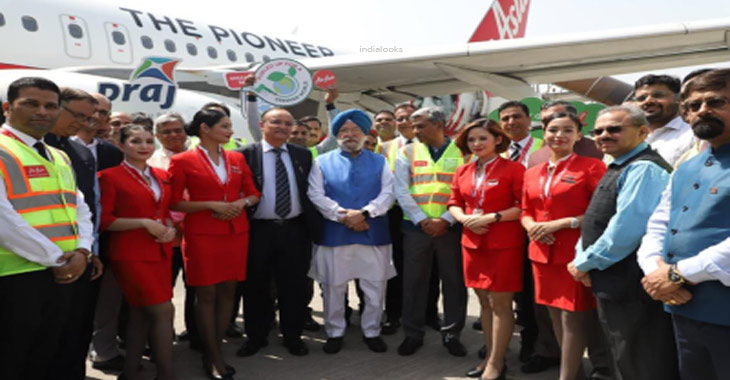
India’s aviation sector, which is currently the fifth largest in the world, is expected to rise to the third position by 2030 and become a global leader in the production of Sustainable Aviation Fuel (SAF).
India possesses the raw materials to expand SAF production, according to a report from the Federation of Indian Chambers of Commerce & Industry (FICCI) and KPMG, with over 680 MMT of agricultural residue, 3.4 MMT of spent cooking oil, and an ethanol capacity over 1,800 crore liters.
A strategic road map is presented in the paper, emphasizing the nation’s readiness to expand SAF production, improve rural incomes, promote greener fuel options, and reach global export markets.
According to the report, SAF is the most immediate and scalable decarbonization lever for aviation, with lifecycle emissions reductions of up to 80%.
The government-mandated blending targets of 1% by 2027, 2% by 2028, and 5% by 2030 were also addressed in the paper.
The economic and environmental benefits were highlighted in the paper, including reduced fuel imports that save billions, the development of jobs in green industries, and increased revenue for rural communities.
It further stated that India is in a good position to provide SAF to high-end markets including the Middle East, Singapore, Japan, and the EU.
The necessity of a coordinated systems strategy that synchronizes policy, financing, technology, and offtake obligations was emphasized by Anish De, Global Head, Energy Natural Resources & Chemicals, KPMG in India.
According to Vivek Rahi, Partner and National Head of Oil & Gas at KPMG in India, “India’s SAF journey will be built on the intelligent use of our abundant feedstock base, from agricultural residues and municipal solid waste to press-mud and used cooking oil.”
Establishing sustainable supply chains and long-term offtake frameworks incorporating airlines, OMCs, and technology suppliers will be crucial to success, he continued.