
Experts advocate for improved public hospitals and tax-funded universal health care
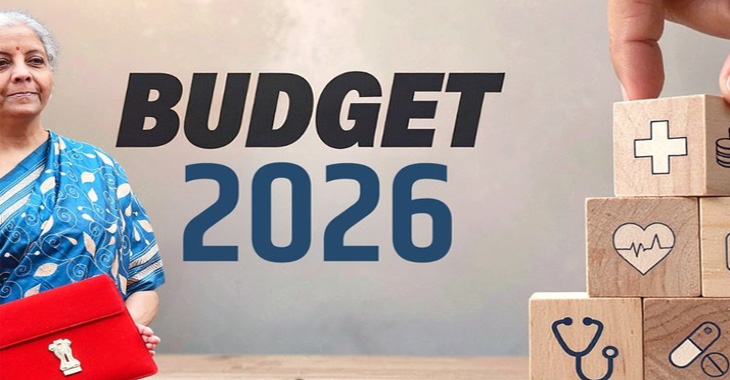
On Tuesday, medical professionals asked the government to increase funding for government hospitals and implement tax-funded universal health care in the next Union Budget 2026.
The experts also emphasized the necessity of expanding PMJAY to cover outpatient treatment and the inadequacy of funding in public health care facilities to provide sufficient services to a large number of patients.
Dr. Vinay Aggarwal, former National President of the Indian Medical Association, stated, “We support tax-funded universal health care with a basic health package for all citizens and to increase public health allocation to 2.5–5% of GDP, strengthening government hospitals and human resources.”
He went on, “The government should reform PMJAY to include outpatient care, realistic package rates, DBT, copayments, and timely reimbursements.”
The government should “provide GST exemption on lifesaving equipment, consumables, and all vaccines,” the expert added.
The public sector healthcare system is essential to reaching the objective of universal health coverage, according to a recent report published by The Lancet Commission. An related Comment paper analyzes fundamental flaws in the health system and examines India’s progress toward universal health care.
In particular, it identified persisting gaps in quality, equity, and continuity of care, fragmented governance, inadequate coordination across levels of care, and health services organized around institutions rather than citizens as significant obstacles to UHC.
The study pointed out that working in silos can erode accountability and service continuity and recommended that India implement several programs in order to achieve universal health care.
Instead of concentrating on patient journeys and long-term care requirements, healthcare delivery must continue to be facility-centered. Efficiency and results are further limited by inadequate referral mechanisms and inadequate integration between primary, secondary, and tertiary services.
The report emphasized that without institutional capacity to carry out reforms, policy desire alone is insufficient.
According to Aditya Banerjee, a member of the Medical Technology Association of India (MTaI), “the government has increased the allocation for healthcare in its budget over the last few years, but the continued prioritization of capacity building has often left public healthcare facilities with insufficient funds to deliver adequate services to the large number of patients that they serve.”
“Delivering better patient outcomes for every Rupee spent requires a deliberate shift in the public procurement criteria, from the lowest upfront price to the best long-term value for the entire healthcare system,” he continued.
According to Banerjee, it will help prevent the spiraling healthcare expenses that are currently becoming unsustainable in many industrialized economies worldwide.