
90% of rural women entrepreneurs in India preserve a portion of their income: Report
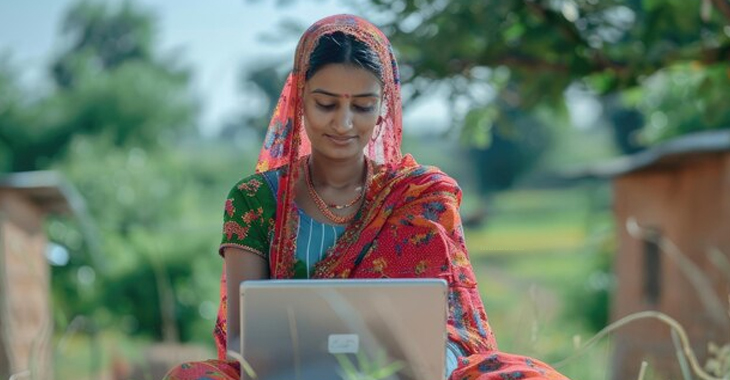
A staggering 90% of rural women entrepreneurs in India save a percentage of their monthly income, according to a new survey released on Thursday, ahead of International Women’s Day.
DBS Bank India, in cooperation with Haqdarshak, conducted a survey of 411 women entrepreneurs from rural districts in Madhya Pradesh, Maharashtra, and Rajasthan, 402 of them were members of Self-Help Groups (SHG).
According to the research, of the 90%, 57% save less than 20% of their monthly income, while 33% save between 20% and 50%. Approximately 5% save more than 50% of their income, while the remainder respondents are unaware of the percentage of their income saved, indicating a need for increased financial knowledge and planning.
According to the survey, 56% of rural women entrepreneurs use bank deposits, 39% participate in SHG savings programs, and 18% save cash without investing it in any instruments.
Fixed deposits (FDs), recurring deposits (RDs), and gold investments were found to be less frequent, with only 11% and 5% using these strategies, respectively. Approximately 64% returned their business revenues into their businesses, indicating a high preference for business expansion and growth.
“Our report provides useful insights to inform programs aimed at accelerating women’s entrepreneurship and overcoming growth barriers,” stated Azmat Habibulla, Managing Director and Head of Group Strategic Marketing and Communications at DBS Bank India.
“We aim to drive meaningful dialogue and build actionable solutions that bridge knowledge gaps, ensuring these women have improved access to social protection and financial services, ultimately fostering a more equitable economy,” said Aniket Doegar, CEO and co-founder of Ha
The survey noted a trend toward increased financial autonomy, stating that 18% of rural women entrepreneurs make financial decisions on their own, while 47% make financial decisions with their husbands.
Approximately 24% said their husbands make all financial choices, with the other 11% consulting their close or extended family members. This distribution emphasizes both progress and enduring conventional norms.