
Indian banks are well-positioned to spur expansion
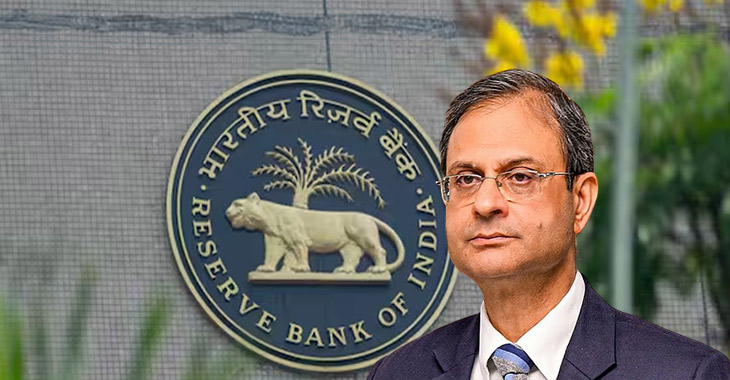
Sanjay Malhotra, the governor of the Reserve Bank of India, stated that, India’s financial system continues to be a major source of strength and support for the real economy and the country’s growth momentum. This is due to the continued soundness of banks and NBFCs, which are backed by strong capital and liquidity positions, healthy profitability, minimal levels of non-performing assets, and robust credit growth.
In the foreword to the RBI’s Financial Stability Report, Malhotra remarked: The financial system and economy of India have shown amazing resiliency in the face of major external shocks.
Macrofinancial stability has been maintained by robust growth, minimal inflation, sound balance sheets of both financial and non-financial enterprises, and significant buffers.
India’s sound macroeconomic fundamentals, according to the Financial Stability report, give it a stronger position than many of its counterparts and more resilience to external shocks than in previous crisis episodes. Recent policy initiatives by the government and the Reserve Bank, as well as the interim peace agreement, have contributed to a favorable balance of hazards.
The domestic financial system, according to the research, is still robust due to strong balance sheets of both banks and non-banks. SCBs are still sound and secure, thanks to solid capital and liquidity buffers, a sustained improvement in asset quality, and consistent profitability.
Results from macro stress tests suggest that the banking system is still well-positioned to withstand potential shocks, with anticipated aggregate capital ratios staying comfortably above regulatory limits even in hypothetical unfavorable scenarios.
Solid capitalisation, high profitability, and increasing asset quality continue to support the financial health of non-banking financial firms (NBFCs).
With the solvency ratio of life insurers staying over the minimal threshold, the insurance industry maintains its balance sheet strength.
Malhotra added that we are nevertheless conscious of the changing external and internal risks and are dedicated to strengthening the guardrails that shield our economy and financial system from potential shocks.
Inflammatory pressures might be revived and monetary conditions tightened as a result of ongoing supply chain issues.
Meanwhile, the study stated that bond market fragilities, high public debt, leveraged NBFIs, and stretched asset valuations continue to be important vulnerabilities that could magnify future shocks.