
Lok Sabha approved the Insolvency and Bankruptcy Code Bill
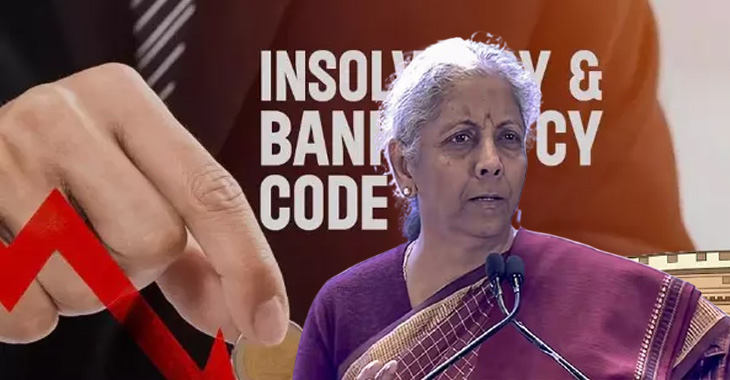
The Insolvency and Bankruptcy Code (Amendment) Bill, which seeks to expedite insolvency procedures in order to settle cases involving defaulting businesses, was approved by the Lok Sabha on Monday.
Once a firm has defaulted, the Bill mandates that insolvency applications be accepted within 14 days.
The administration has suggested a package of 12 changes to the Insolvency and Bankruptcy Code in order to improve the resolution environment, according to Finance Minister Nirmala Sitharaman.
The main cause of IBC resolution delays, according to Sitharman, is widespread litigation, and the IBC Bill includes measures to address misuse of the process.
On March 27, the Lok Sabha debated the Bill that Finance Minister Nirmala Sitharaman introduced. The Bill, which was first sent to a Select Committee, aims to address the delays in settling matters pertaining to the insolvency and bankruptcy of a business or person.
The Insolvency and Bankruptcy Code (IBC) has been instrumental in enhancing the health of the banking industry, but it was never meant to serve as a debt recovery mechanism, FM Sitharaman stated in the Lower House.
The finance minister stated in the Lok Sabha, while guiding the Bill, that the IBC has helped to improve credit discipline and the creditworthiness of businesses.
Companies have done well since exiting the insolvency resolution process, and their corporate governance procedures have also gotten better, the minister said.
The Select Committee’s report on the Insolvency and Bankruptcy Code (Amendment) Bill, 2025, was the subject of her comments. According to Sitharaman, “The Insolvency and Bankruptcy Code, which came into effect in 2016, has been a main factor in improving the overall health of the Indian banking sector. ” She also said that the framework has helped businesses obtain better credit ratings over time.
She also stated that the law’s goal is to address distressed assets rather than only collect debts. “IBC is a framework for saving viable enterprises and alleviating financial difficulties while maintaining the value of the company. She said that the purpose of IBC was never to collect debt.