
Iran War is at a dangerous point; peace is the best remedy
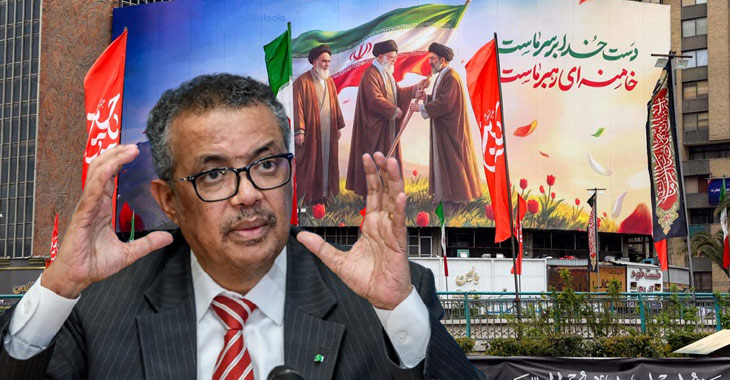
The conflict in the Middle East has entered a dangerous phase, with attacks reportedly hitting the Natanz Enrichment Complex in Iran and the Israeli city of Dimona, home to a nuclear plant, according to Tedros Adhanom Ghebreyesus, Director-General of the World Health Organization (WHO), on Sunday.
Incidents that occurred in southeastern Iran and in the Israeli city of Dimona are being investigated by the International Atomic Energy Agency (IAEA).
There have been no reports of elevated or unusual amounts of radiation offsite. The risk to the environment and public health increases with attacks against nuclear facilities, according to Ghebreyesus’ post on X.
In order to assist its own staff and UN employees in 13 nations in responding effectively to public health risks in the event of a nuclear incident, WHO has offered crucial training since the start of the conflict.
“I beg all parties to use extreme military restraint and refrain from doing anything that might cause nuclear events. The top priority for leaders should be to de-escalate conflicts and safeguard civilians. According to the head of the WHO, “peace is the best remedy.”
In addition, he argued that war does not lead to peace.
“All it does is give the next generation new reasons to hate,” he continued.
On the other hand, even as US President Donald Trump declared that Washington was on the verge of achieving its military goals in the conflict, he warned that if Iran did not reopen the Strait of Hormuz, he would “hit and obliterate” the country’s power plants in 48 hours.
Trump delivered a direct ultimatum regarding the strategic waterway in a succession of postings, stating, “The United States of America will hit and obliterate their various POWER PLANTS, STARTING WITH THE BIGGEST ONE FIRST! if Iran doesn’t FULLY OPEN, WITHOUT THREAT, the Strait of Hormuz, within 48 HOURS.”
Even as Trump hinted that US military actions may soon cease, the warning signals a major escalation in the Strait of Hormuz, a key artery for global energy.
The US had also taken steps to weaken Iran’s military capabilities, such as “eliminating their Navy and Air Force, including Anti-Aircraft Weaponry,” he said.