
COVID virus can alter sperm and increase the likelihood of anxiety in subsequent generations
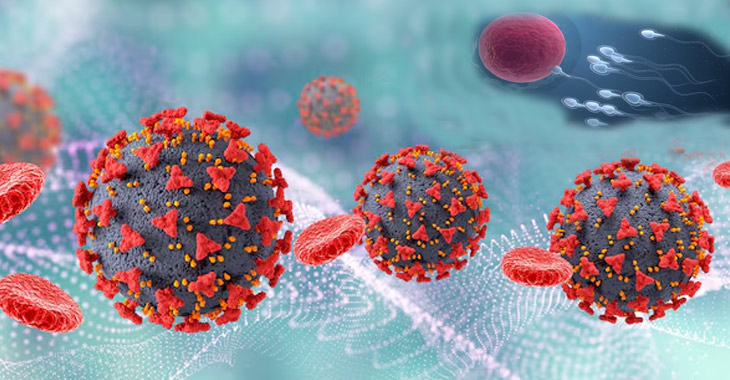
An worrying animal study revealed that SARS-CoV-2 infection in fathers prior to conception can produce alterations in sperm, affecting children’s brain development and behavior and raising the likelihood of anxiety later on. This is in contrast to the well-established long-term consequences of Covid-19 infection on the brain.
According to research that was published in the journal Nature Communications, COVID-19 may have a lasting impact on generations to come. Male mice exposed to particular environmental and lifestyle factors—such as a poor diet prior to mating—may alter the behavior and brain development of their progeny.
Lead researcher Professor Anthony Hannan of the University of Melbourne’s Florey Institute of Neuroscience and Mental Health in Australia explained, “This is because the father’s experiences can alter the information carried in sperm, including specific RNA molecules, which transmit instructions for offspring development.”
The goal of the current study was to see whether the Covid virus would affect sperm RNA and the progeny in a similar way.
Before mating with healthy female mice, the scientists allowed male mice to recuperate from SARS-CoV-2 infection for a few weeks.
Compared to children of fathers who were not sick, the children had more worried behaviors.
All children whose fathers have COVID-19 showed more signs of anxiousness. The hippocampal region of the female offspring’s brain, which is crucial for anxiety, depression, and other emotional behaviors, also showed notable alterations in certain gene activity.
“These kinds of changes in the hippocampus, as well as other brain regions, may contribute to the increased anxiety we observed in offspring, via epigenetic inheritance and altered brain development,” said Carolina Gubert, a researcher at the Institute.
Subsequent examination of the sperm RNA from the infected fathers revealed that Covid had changed a number of molecules, including some that regulate genes thought to be crucial for brain development.
“If our findings translate to humans, this could impact millions of children worldwide, and their families, with major implications for public health,” Hannan said, urging further study.