

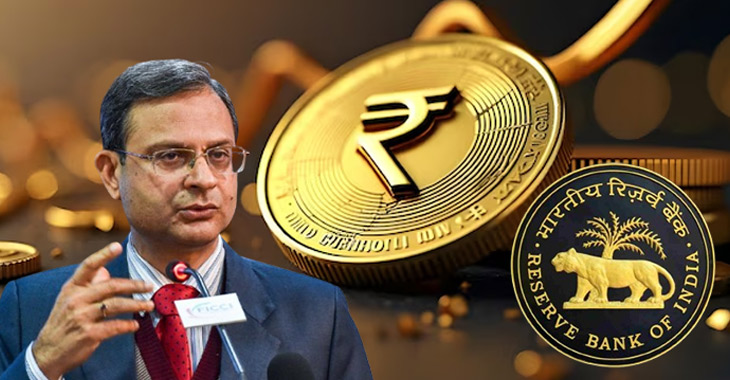

The Reserve Bank of India is expected to step in to control excessive volatility after the Indian rupee dropped below the 88 mark versus the US dollar due to FII outflows and tariff concerns.
A soft dollar, a strong yuan, India’s manageable current account deficit, and the possibility of a US-India trade agreement all helped CareEdge Ratings retain its FY26-end USD/INR projection at 85–87.
“India’s forex reserves remain healthy at around $703 billion, near an all-time high, giving the RBI scope to intervene in the currency market and curb currency volatility if needed,” according to the rating agency.
Due to US tariffs, higher H-1B visa costs, and continuous withdrawals of foreign portfolio investors, analysts predicted that the rupee would continue to experience short-term pressure.
According to CareEdge ratings, the higher FPI selling this year may be the result of worries that the 50% tariffs will remain in effect and hinder India’s growth in FY26, bringing it down to about 6%.
Due to a rise in outbound investments by Indian companies, net FDI fell to about $4.9 billion in Q1 FY26, while gross FDI inflows reached about $25.2 billion.
Due to uncertainty surrounding US trade policy, budgetary concerns, and the prospect of further Federal Reserve cuts after a drop in September, the dollar index has lost about 10% of its value so far this year.
A source of competitive pressure on the Rupee that was present during the first trade war in 2018–19 has been eliminated as the yuan has increased by about 2.5% year to date.
“We do not anticipate an RBI rate cut at the October MPC meeting on the domestic front. However, FY26 GDP growth may drop to about 6% if hefty US tariffs continue. This might pave the way for future rate decreases, perhaps another 25 basis points, along with possible inflationary pressure from the rationalization of the GST, the paper stated.
It further stated that the interest rate disparity may increase in favor of the rupee, offering some support, since the US Fed is anticipated to lower rates more aggressively than the RBI.