

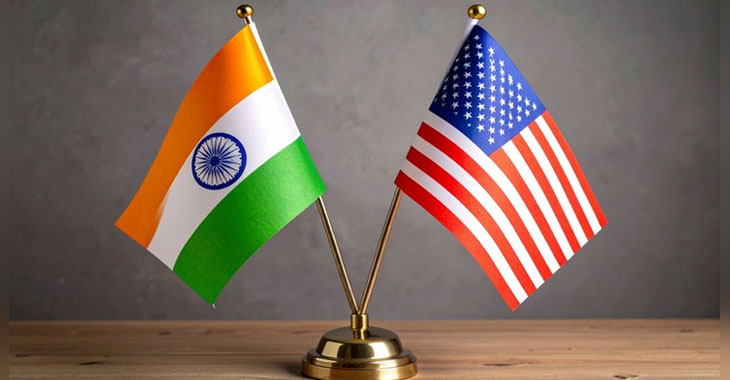

According to a report released on Friday, there are early indications that India may reassess its strategic posture, and investors should keep a close eye on the change in geopolitical alignment as Prime Minister Narendra Modi is scheduled to return to China after a six-year absence and National Security Advisor (NSA) Ajit Doval is negotiating important defense agreements with Russia.
More than 20 years of bipartisan progress could be undone by recent actions by the Trump administration that represent a dramatic change in US-India trade and geopolitical dynamics.
“The US has extended more favorable terms to China and Pakistan, halted trade negotiations, and announced 50% taxes. India’s rising membership in BRICS and its ongoing oil imports from Russia are the US’s justifications for this action.
According to M Financial Institutional Securities’ research, “these actions, along with criticism of manufacturing in India by US companies, seem like a significant policy reversal by the US.”
Thanks to the global trend towards a ‘China+1’ supply chain strategy, India’s commercial relationship with the US has significantly improved since COVID-19.
With 23% of all exports, the US is currently India’s top export destination and the only area that makes a positive contribution to India’s trade surplus.
Exports to the United States totaled $91 billion in 2024, with electronics ($14 billion, increasing iPhone sales), pharmaceuticals, and gems and jewelry leading the way. The United States brought in $43 billion worth of goods, including industrial equipment and minerals.
“Prima facie, it appears that India’s chemical, textile and auto components sectors are most susceptible to US President Donald Trump’s tariff actions, and exports of companies herein could be directly impacted,” stated the research.
“We understand that the electronics and pharmaceutical industries, which are now excluded from Section 232 inquiries, are next in line. There will probably be further action on this soon. With the help of a declining rupee, IT services could surprisingly benefit,” it continued.
Given that the trade surplus with the US (1 percent of GDP) will be difficult to offset in the medium term through geographic diversification, tariffs of the size of 50% will restrain India’s GDP development.
“In order to relieve the pressure from the recent FII selling, we think the RBI would probably let the INR decline. The analysis pointed out that high US tariffs might have an effect on US inflation, growth, and the US dollar in that order, which would somewhat protect emerging market EM currencies like INR.
Trump’s 21-day timeframe for negotiations is still vital even if the first round of 25% tariffs is now in effect.