


According to All India Gem & Jewellery Domestic Council (GJC), jewellery demand is predicted to stay slow, although the holiday season may increase sales, particularly in lightweight categories.
It further said that the industry is awaiting clarification regarding reforms to the Gold Monetisation Scheme and potential tax modifications, while geopolitical risks continue to be a major element that might spark a new need for safe-havens.
In the first half of the year, there were unprecedented increases in bullion prices, which were followed by corrections that changed the mood of consumers and the industry’s perspective, according to the report.
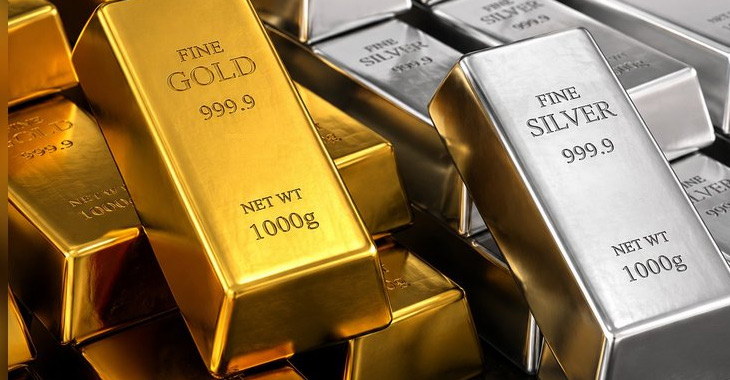
In January 2026, gold prices reached an all-time high of Rs 1,70,480 per 10 grams before falling to about Rs 1,42,800 per 10 grams by the end of June. During the same period, silver prices surpassed Rs 4,02,490 per kilogram in January before declining to roughly Rs 2,25,940 per kilogram by the end of June.
These changes drove investors to safe-haven purchases, but affordability issues caused a decrease in jewellery demand, according to the report.
The Council observed that customers are increasingly turning toward lightweight jewellery designs, reflecting both budgetary considerations and changing fashion sensibilities.
The council stated that a customs duty increase that was announced in May 2026 caused domestic prices to rise and put a burden on retail demand. Demands for rationalisation were made as GST load and compliance requirements continued to put pressure on profits.
In order to realize the worth of idle household gold, lower import reliance, and reinforce domestic supply chains, the council reiterated its call for changes to the Gold Monetisation Scheme.
Rajesh Rokde, Chairman of the GJC, stated, “Looking ahead, the peak wedding calendar in the second half of the year and the approaching festive season are anticipated to provide strong support to jewelry demand, especially in lightweight categories. ”
These cultural drivers, along with India’s strong emotional attachment to gold, will guarantee that the market continues to be resilient despite volatility, he continued.
He claimed that even if futures prices were adjusted, retail prices would remain high and that the market was currently correcting after unprecedented highs.
Expectations of continued high interest rates, profit taking, and a stronger US dollar index are the causes of these changes. He added that worldwide mood has also changed as demand for safe havens diminished after the recent geopolitical panic subsided.