

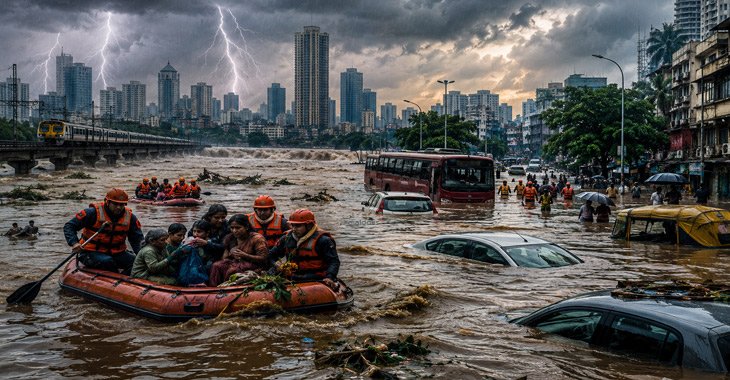

Floods have been among the most devastating natural disasters in India, affecting millions of lives and causing extensive damage to homes, businesses, infrastructure, agriculture, and public services.
While floods have always been a part of India’s geographical reality due to its monsoon climate and numerous river systems, rapid urbanization, climate change, poor drainage systems, and encroachment on wetlands have significantly increased their frequency and intensity.
Several Indian cities have witnessed catastrophic flooding over the past few decades, exposing weaknesses in urban planning and disaster preparedness.
From Mumbai’s record-breaking rainfall in 2005 to the unprecedented flooding in Chennai, Hyderabad, Bengaluru, and Kerala, these disasters have reshaped conversations around sustainable development and climate resilience.
This article explores some of the most destructive floods in Indian cities, their causes, impacts, and the valuable lessons learned.
1. Mumbai Floods (2005)
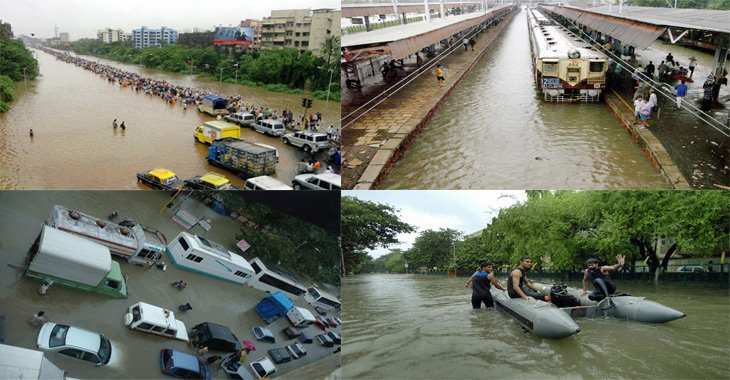
The Mumbai floods of 26 July 2005 remain one of India’s worst urban disasters. The city received an astonishing 944 mm of rainfall within 24 hours, setting a record for the highest rainfall ever recorded in an Indian metropolitan city during a single day.
What Happened?
The heavy rainfall overwhelmed Mumbai’s aging drainage system, which had been designed decades earlier for significantly lower rainfall intensity. High tide prevented rainwater from flowing into the Arabian Sea, worsening waterlogging across the city.
Roads disappeared beneath several feet of water, suburban railway services came to a complete halt, airports shut down, and communication networks collapsed.
Impact
- Over 500 people lost their lives.
- Thousands of vehicles were destroyed.
- Businesses remained closed for days.
- Economic losses exceeded billions of dollars.
- Public transportation came to a standstill.
- Schools, hospitals, and government offices remained shut.
Key Lessons
The disaster highlighted the urgent need for:
- Modern stormwater drainage systems
- Protection of mangroves
- Restoration of natural waterways
- Better rainfall forecasting
- Emergency response mechanisms
2. Chennai Floods (2015)
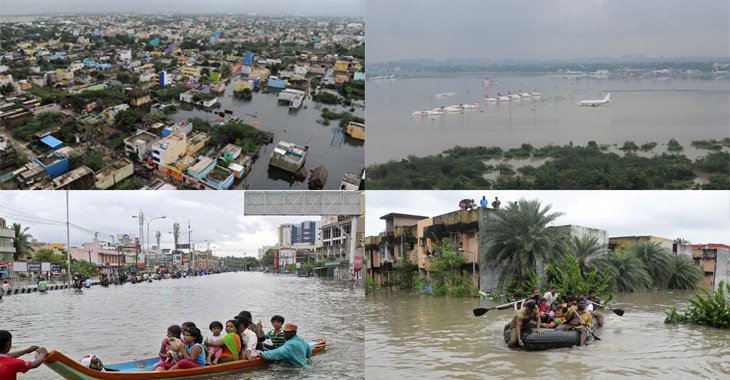
The 2015 Chennai floods became one of the largest urban flood disasters in South India.
Continuous rainfall during November and December, combined with the release of water from the Chembarambakkam Reservoir, submerged large portions of Chennai.
Causes
Several factors contributed:
- Exceptionally heavy northeast monsoon rainfall
- Overflowing reservoirs
- Encroachment of lakes
- Blocked waterways
- Poor urban planning
- Damage
Entire residential colonies remained underwater for several days.
Major IT parks suspended operations.
The Chennai International Airport was closed.
Hospitals struggled without electricity.
Power supply remained disrupted in many localities.
Economic Impact
The disaster caused estimated losses of over US$3 billion, affecting industries, manufacturing, logistics, education, and healthcare.
Lessons
Following the floods, authorities began focusing on:
- Smart flood mapping
- Lake restoration
- Urban flood forecasting
- Reservoir management
- Wetland conservation
3. Kerala Floods (2018)
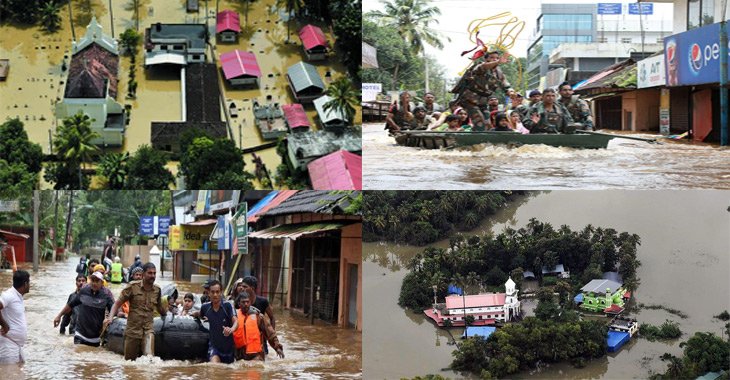
Although Kerala is a state rather than a single city, the floods severely impacted several urban centers, including Kochi, Thrissur, Alappuzha, and Pathanamthitta.
Heavy monsoon rainfall combined with water releases from multiple dams resulted in widespread flooding.
Scale of Disaster
- The floods affected nearly every district.
- Thousands of homes were destroyed.
- Roads, bridges, railways, and power infrastructure suffered extensive damage.
Humanitarian Response
The Indian Army, Navy, Air Force, National Disaster Response Force (NDRF), fishermen, volunteers, and local communities played an extraordinary role in rescue operations.
Impact
- Hundreds of fatalities
- Millions displaced
- Massive agricultural losses
- Tourism industry heavily affected
- Infrastructure damage worth billions
Lessons
Kerala initiated efforts toward:
- Better dam coordination
- Scientific flood forecasting
- Watershed management
- Climate adaptation strategies
4. Uttarakhand Floods (2013)
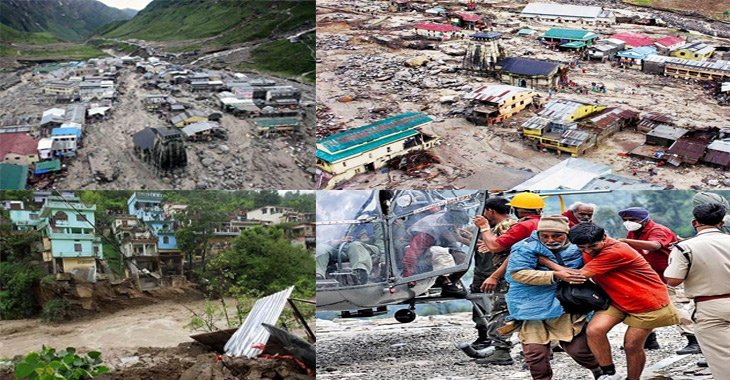
The 2013 Uttarakhand disaster was caused by cloudbursts, intense rainfall, glacier lake outbursts, and river flooding.
Although largely affecting mountainous regions rather than a metropolitan city, towns such as Kedarnath, Rudraprayag, and surrounding areas experienced near-total devastation.
Why It Happened
- Heavy rainfall coincided with rapid snowmelt.
- Flash floods and landslides destroyed roads and villages.
- Pilgrims visiting Char Dham were stranded.
Damage
- Thousands lost their lives or were reported missing.
- Entire settlements disappeared.
- Tourism collapsed temporarily.
- Roads and bridges required years of reconstruction.
Lessons
Authorities emphasized:
- Early warning systems
- Sustainable tourism
- Hazard mapping
- Better construction regulations in ecologically sensitive zones
5. Hyderabad Floods (2020)
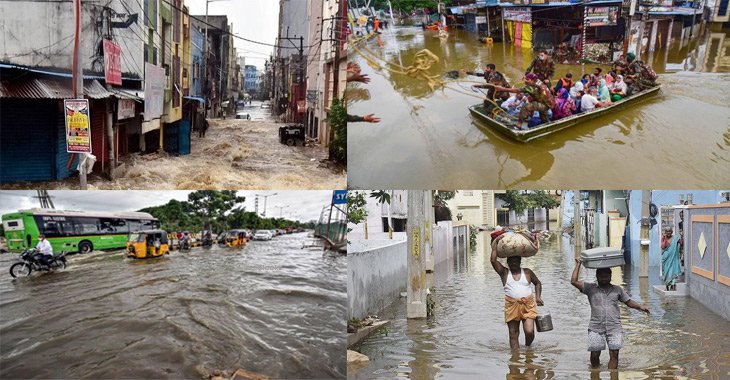
Hyderabad witnessed one of its worst floods in decades after exceptionally heavy rainfall during October 2020.
The Musi River overflowed while lakes and stormwater drains exceeded capacity.
Causes
- Rapid urban expansion had reduced natural drainage channels.
- Construction over lakes and nalas significantly worsened flooding.
Consequences
- Residential colonies remained submerged.
- Thousands of families were evacuated.
- Road infrastructure suffered major damage.
- Power outages lasted for several days.
Government Response
Authorities initiated:
- Lake rejuvenation
- Drain widening
- Flood zoning
- Smart weather monitoring systems
6. Bengaluru Floods (2022)
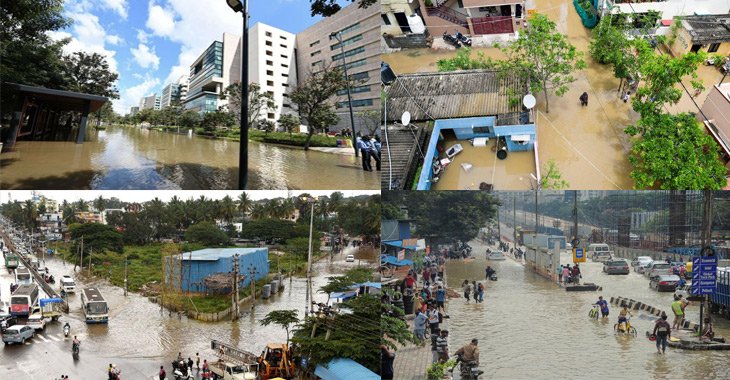
India’s technology capital faced severe flooding after heavy rainfall in 2022.
The flooding attracted international attention because several technology parks, multinational offices, and residential communities were submerged.
Why Bengaluru Flooded
The city once had hundreds of interconnected lakes.
Urban expansion replaced many lakes and wetlands with residential and commercial developments.
Natural drainage channels became blocked.
Impact
- IT operations disrupted
- Employees stranded
- Massive traffic congestion
- Property damage
- Significant economic losses
Lessons
Experts recommended:
- Restoring lake connectivity
- Removing encroachments
- Improving stormwater drainage
- Climate-resilient urban planning
7. Assam Floods (Recurring Urban Flooding)
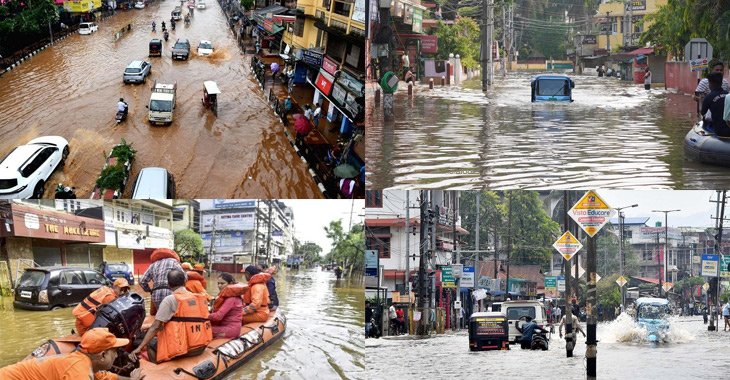
Although Assam experiences annual river flooding, Guwahati has increasingly suffered from severe urban floods due to rapid urbanization.
Challenges
- Hillside encroachments
- Blocked drains
- Wetland loss
- Intense rainfall
Recurring floods have affected transportation, schools, businesses, and residential areas.
Common Reasons Behind Urban Flooding in India
Most major Indian flood disasters share several common causes.
1. Climate Change
Warmer temperatures increase atmospheric moisture, leading to more intense rainfall events.
2. Poor Drainage Infrastructure
Many Indian cities still rely on outdated drainage systems that cannot cope with today’s rainfall intensity.
3. Encroachment of Lakes and Wetlands
Natural water bodies act as flood buffers. Their disappearance increases flood risks.
4. Rapid Urbanization
Concrete surfaces prevent rainwater from soaking into the ground, increasing runoff.
5. Improper Waste Management
Plastic waste frequently blocks stormwater drains, causing waterlogging even after moderate rainfall.
6. River Floodplain Encroachment
Construction along riverbanks restricts the natural flow of rivers during heavy rains.
Economic Impact of Floods
Floods affect nearly every sector of the economy.
Infrastructure
Roads, bridges, airports, railways, and public utilities require costly repairs.
Business
Manufacturing units, IT companies, retail stores, logistics providers, and financial institutions suffer operational disruptions.
Agriculture
Crop losses directly affect farmers while indirectly impacting food prices nationwide.
Healthcare
Hospitals face overcrowding and increased risks of waterborne diseases.
Insurance
Claims surge dramatically after major flood events, increasing costs for insurers and policyholders.
How India Can Better Prepare for Future Floods
Experts recommend a multi-pronged strategy to reduce flood risks.
Modernize Urban Drainage
Stormwater systems should be designed for extreme rainfall rather than historical averages.
Restore Natural Ecosystems
Protecting wetlands, rivers, lakes, mangroves, and floodplains can significantly reduce flooding.
Smart City Technologies
AI-powered rainfall forecasting, IoT-based flood sensors, and GIS mapping can improve disaster response.
Stronger Building Regulations
Urban planning should discourage construction in flood-prone zones.
Community Awareness
Public education on flood preparedness, evacuation plans, and emergency kits can save lives.
Integrated Water Management
Reservoir operations, river management, and city planning must work together rather than in isolation.
The Role of Technology in Flood Management
Emerging technologies are transforming disaster management across India.
- Satellite monitoring
- Drone-based damage assessment
- Artificial Intelligence flood prediction
- GIS mapping
- IoT water-level sensors
- Mobile emergency alert systems
- Digital disaster coordination platforms
Several state governments have begun investing in these technologies to improve preparedness and response times.
Conclusion
India’s flood disasters have repeatedly demonstrated that extreme weather events are no longer isolated incidents but recurring challenges intensified by climate change, rapid urbanization, and inadequate infrastructure.
From the catastrophic Mumbai floods of 2005 to the inundation of Chennai, Kerala, Hyderabad, and Bengaluru, each event has underscored the urgent need for resilient urban planning, restored natural ecosystems, and modern drainage systems.
As Indian cities continue to expand, balancing development with environmental sustainability will be critical. Investments in early warning systems, smart flood management technologies, wetland conservation, and disaster-resilient infrastructure can significantly reduce future losses.
Equally important is fostering public awareness and coordinated governance among civic authorities, environmental agencies, and local communities.
Learning from these historic floods offers India an opportunity to build safer, more climate-resilient cities capable of withstanding the challenges of an increasingly unpredictable future.