


India has become one of the world’s important markets for computers, laptops, desktops, workstations and enterprise computing equipment. The expansion of digital education, online business, information technology services, gaming, artificial intelligence and government digitization has increased demand for reliable computing devices.
At the same time, initiatives encouraging domestic electronics production have created new opportunities for manufacturers, assemblers, component suppliers and technology brands.
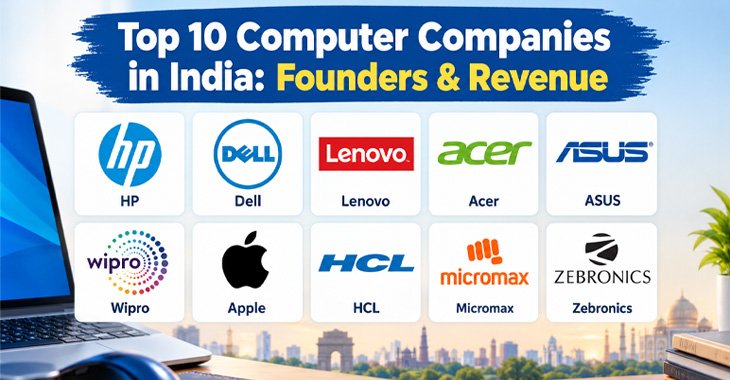
The Indian computer industry includes both homegrown companies and international corporations. Global brands such as HP, Dell, Lenovo, Acer, ASUS and Apple compete alongside Indian technology businesses such as Wipro, HCL, Micromax and Zebronics. These companies serve different customer groups, ranging from students and individual consumers to large corporations, educational institutions and government organisations.
However, not every company described as a computer manufacturer produces every component in India. Some design computers and manufacture or assemble them through local facilities and contract manufacturing partners.
Others concentrate on importing, distributing, customising or integrating hardware. Understanding these differences is essential when evaluating the industry’s leading businesses.
This article examines ten prominent computer manufacturers and computing-device brands operating in India. It covers their establishment dates, founders, headquarters, turnover, founder biographies, company backgrounds and current leadership.
Note on financial figures: Turnover figures refer to the latest cited financial year available for each company or its global parent, rather than automatically representing revenue generated in India.
Private companies may not publish comparable revenue figures. The list is an editorial selection based on market presence, product range and industry significance, not an official ranking by Indian manufacturing output.
1. HP Inc. (Hewlett-Packard)
Company name: HP Inc.
Established: 1 January 1939
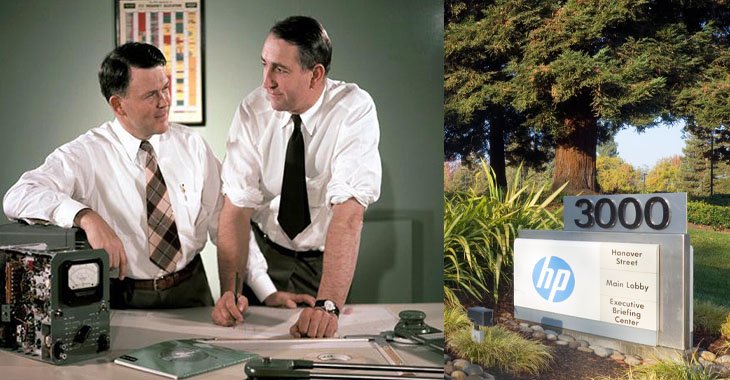
Founders: William Redington Hewlett and David Packard
Headquarters: Palo Alto, California, United States
Turnover: Approximately US$55.3 billion in fiscal year 2025
Currently managed by: Bruce Broussard took over the role on February 3, 2026 as Interim CEO after Enrique Lores stepped down on February 3, 2026, to become the CEO of PayPal.
Official website: https://www.hp.com/
HP is one of the world’s best-known personal computing and printing companies. Its product portfolio includes laptops, desktop computers, business workstations, gaming computers, printers, monitors and accessories. In India, HP serves individual consumers, educational institutions, small businesses and large enterprises.
The company operates across multiple computer categories, including everyday laptops, premium notebooks, business-focused systems and gaming machines. Its established service network and broad product range have helped it maintain a strong presence in India’s consumer and commercial computing markets.
HP Inc. is distinct from Hewlett Packard Enterprise, which focuses primarily on enterprise technology infrastructure, servers, storage and related services. The distinction is important when comparing their financial results.
Founders’ biography
William Hewlett and David Packard met while studying electrical engineering at Stanford University. They founded their business in a small garage in Palo Alto, a location that later became associated with the beginnings of Silicon Valley.
Their early business focused on electronic instruments rather than personal computers. Over the following decades, Hewlett-Packard expanded into calculators, computers, printers and other technology products. Their approach combined engineering innovation with practical commercial applications.
Hewlett and Packard became influential figures in the development of the American technology industry. Their emphasis on engineering quality, employee participation and long-term business development helped establish a corporate culture that influenced numerous later technology companies.
Leadership and Turnover
HP reported fiscal 2025 revenue of approximately US$55.3 billion. This is the global company’s revenue, not HP India’s standalone turnover. Its principal businesses include personal systems and printing, with computers forming a major part of its product offering.
HP remains an important option for Indian customers looking for laptops and desktops for professional, educational and personal use.
2. Dell Technologies
Company name: Dell Technologies Inc.
Established: 1984
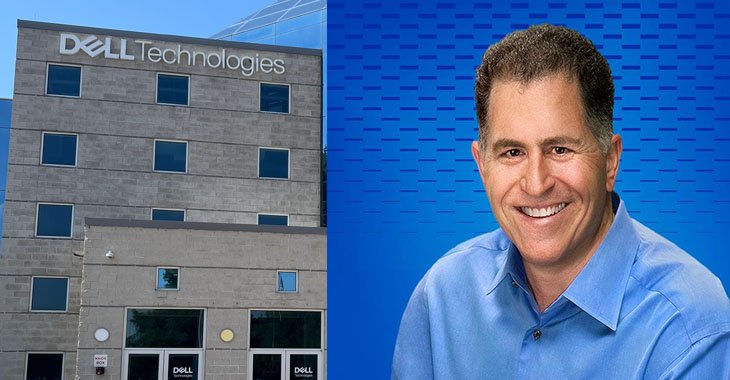
Founder: Michael Saul Dell
Headquarters: Round Rock, Texas, United States
Turnover: Approximately US$113.5 billion in fiscal year 2026
Currently managed by: Michael Dell, Chairman and CEO
Official website: https://www.dell.com/
Dell Technologies is a major global supplier of personal computers and enterprise computing systems. Its products include Inspiron and XPS laptops, Latitude business notebooks, Alienware gaming systems, OptiPlex desktops, Precision workstations, servers and storage equipment.
Dell has a significant presence in India, serving home users, businesses, educational institutions and public-sector organisations. Its enterprise business is particularly important because companies increasingly require powerful computing infrastructure for cloud services, data management, cybersecurity and artificial intelligence.
The company’s business model combines hardware development, configurable products, direct sales, channel partners and enterprise support. These capabilities make Dell relevant to both individual computer buyers and organisations purchasing systems in large quantities.
Founder’s biography
Michael Dell founded the company while studying at the University of Texas at Austin. He began selling and upgrading computers through a business model that focused on understanding customer requirements and supplying systems directly.
The company, initially known as PC’s Limited, expanded rapidly as demand for personal computers grew. Its direct-sales approach helped it compete with established computer brands by offering customisable configurations and reducing dependence on traditional retail distribution.
Michael Dell led the business through major changes in the computer industry, including the growth of enterprise computing and the transition towards integrated technology solutions. Dell later became a private company before returning to public markets as part of the broader Dell Technologies organisation.
Leadership and Turnover
Dell Technologies reported record revenue of approximately US$113.5 billion for fiscal 2026, ended 30 January 2026. The figure covers the global group, including its infrastructure and client solutions businesses.
Its Indian operations are important for sales, support, technology services and hardware-related activities. However, the global revenue figure should not be presented as the turnover of Dell’s Indian subsidiary.
Dell is particularly relevant for organisations seeking business laptops, desktops, workstations and enterprise computing equipment.
3. Lenovo Group
Company name: Lenovo Group Limited
Established: 1 November 1984
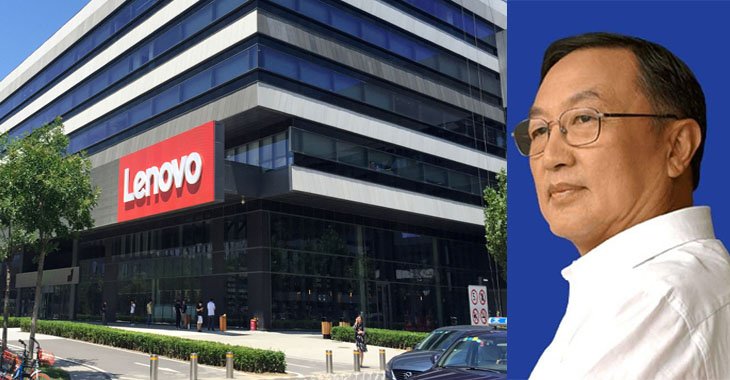
Founder: Liu Chuanzhi, who led the founding team
Headquarters: Beijing, China, with major global operations in Hong Kong
Turnover: Approximately US$83.1 billion in fiscal year 2025/26
Currently managed by: Yuanqing Yang, Chairman and CEO
Official website: https://www.lenovo.com/in/en/
Lenovo is a major global computer manufacturer with a broad portfolio of laptops, desktops, workstations, tablets and enterprise infrastructure products. Its major product families include ThinkPad, ThinkBook, IdeaPad, Yoga, Legion and ThinkCentre.
The company strengthened its international position considerably after acquiring IBM’s personal computer business in 2005. That transaction brought the ThinkPad brand into Lenovo’s portfolio and helped expand its global reach, customer base and enterprise relationships.
In India, Lenovo serves consumers, businesses, educational institutions and government customers. Its products range from affordable laptops for everyday computing to premium notebooks, gaming machines and business workstations.
Lenovo also invests in enterprise servers, storage and infrastructure systems, enabling it to serve customers beyond the traditional personal computer market.
Founder’s biography
Liu Chuanzhi is a Chinese entrepreneur and technology executive who helped establish Lenovo in Beijing in 1984. He and his founding colleagues began with a relatively small technology business at a time when China’s computer industry was developing.
The business initially focused on distributing and adapting computing technology before developing into a major computer brand. Lenovo’s subsequent growth involved product development, international expansion and strategic acquisitions.
Liu’s contribution was primarily in building the organisation and guiding its transformation from a domestic technology enterprise into an international company. His role in the company’s early development helped lay the groundwork for Lenovo’s later expansion.
Leadership and Turnover
Lenovo reported record global revenue of approximately US$83.1 billion for fiscal year 2025/26, which ended on 31 March 2026. The company identified personal computers, infrastructure solutions and AI-related products as important parts of its business.
Its global manufacturing footprint and operations in India support its ability to serve a broad customer base. Lenovo’s combination of consumer laptops, business computers and enterprise systems makes it one of the key companies in the Indian computing market.
4. Acer Inc.
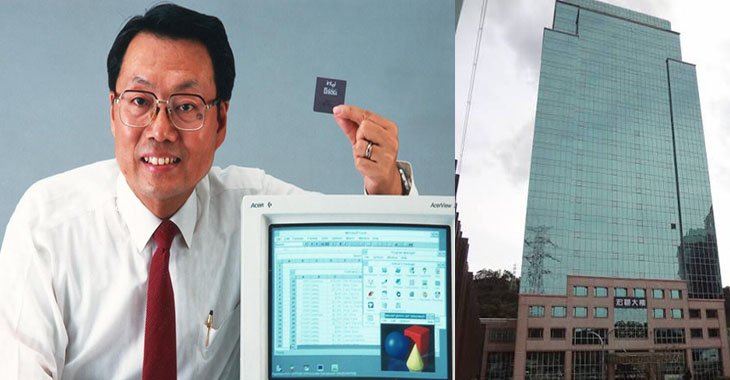
Company name: Acer Inc.
Established: 1 August 1976
Founder: Stan Shih, together with co-founders including his wife Carolyn Yeh
Headquarters: New Taipei City, Taiwan
Turnover: Approximately NT$275.63 billion in fiscal year 2025
Currently managed by: Jason Chen was Acer’s chairman and CEO in the cited corporate reporting; verify current leadership before publication.
Official website: https://www.acer.com/in-en
Acer is an international computer and electronics company known for laptops, desktop computers, monitors, gaming products and related accessories. Its product range includes Aspire laptops for everyday computing, Swift notebooks, TravelMate business systems and Predator gaming computers.
The company has established a presence in India through its sales, distribution, support and manufacturing-related operations. Acer India lists its Bangalore head office and a manufacturing plant in Puducherry, demonstrating its local operational footprint.
Acer serves consumers looking for affordable and mid-range laptops as well as gamers and professionals requiring higher-performance machines. Its competitive pricing and wide product range have helped it appeal to different market segments.
Founder’s biography
Stan Shih, born Shi Zhenrong, is a Taiwanese entrepreneur who helped build Acer from a small technology business into a global computer company. Acer began in 1976 under the name Multitech, initially concentrating on technology-related services and microprocessor products.
Shih’s business philosophy emphasised accessible technology, international expansion and the development of local talent. As personal computing expanded, the company moved into computer products and built a recognisable international brand.
Acer subsequently evolved through acquisitions, changes in product strategy and expansion into gaming, displays and other electronics categories. Shih is widely associated with the development of Taiwan’s technology industry and the growth of its international computer brands.
Leadership and Turnover
Acer reported consolidated revenue of approximately NT$275.63 billion for fiscal 2025. The figure represents the global group, not the turnover of Acer India alone.
Acer remains an important name in India’s laptop market, particularly in mainstream consumer notebooks, education-oriented devices and gaming computers. Its local manufacturing presence is also relevant to India’s wider electronics production ecosystem.
5. ASUS
Company name: ASUSTeK Computer Inc. (ASUS)
Established: 2 April 1989
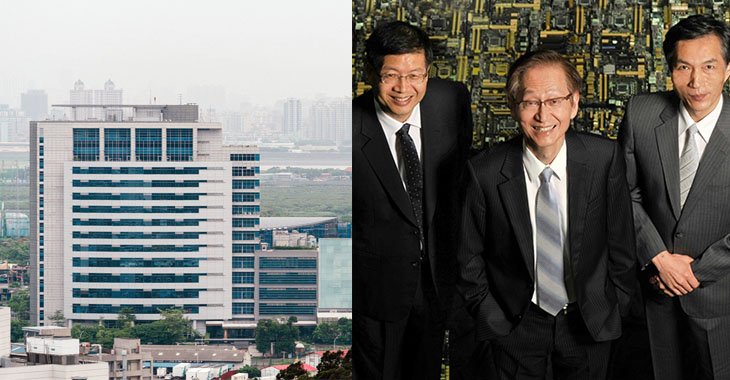
Founders: T.H. Tung, Ted Hsu, Wayne Hsieh and M.T. Liao
Headquarters: Taipei, Taiwan
Turnover: Approximately US$23.7 billion, based on its reported 2025 annual revenue
Currently managed by: Jonney Shih is chairman; co-CEOs S.Y. Hsu and Samson Hu lead the company.
Official website: https://www.asus.com/in/
ASUS is a major computer and hardware manufacturer known for laptops, desktops, motherboards, graphics cards, monitors, networking equipment and gaming devices. Its portfolio includes Zenbook premium laptops, Vivobook consumer notebooks, ExpertBook business systems and Republic of Gamers products.
The company has built its reputation around hardware engineering, performance and product design. Its components, particularly motherboards and graphics cards, have also made it familiar among PC builders and gaming enthusiasts.
In India, ASUS competes across several price and performance categories. Its products appeal to students, creative professionals, office users and gamers who require different levels of processing power, portability and graphics performance.
Founders’ biography
ASUS was founded by four former Acer engineers: T.H. Tung, Ted Hsu, Wayne Hsieh and M.T. Liao. Their technical backgrounds helped shape the company’s early focus on computer hardware engineering.
The founders established the business in Taiwan during a period when the region was becoming increasingly important to the global electronics supply chain. ASUS initially concentrated on motherboard design and manufacturing before expanding into complete computers and other electronic products.
The company’s development demonstrates how specialised engineering and component expertise can provide a foundation for a broader technology business. ASUS subsequently expanded internationally and built a portfolio spanning consumer computing, gaming and professional hardware.
Leadership and Turnover
ASUS reported global group revenue of approximately US$23.7 billion for 2025. This revenue includes its broader hardware portfolio and should not be confused with revenue generated specifically from laptops or the Indian market.
ASUS’s combination of computer systems and components makes it an important participant in India’s computing market, particularly for performance-focused notebooks, gaming machines and custom-built desktop systems.
6. Apple Inc.
Company name: Apple Inc.
Established: 1 April 1976
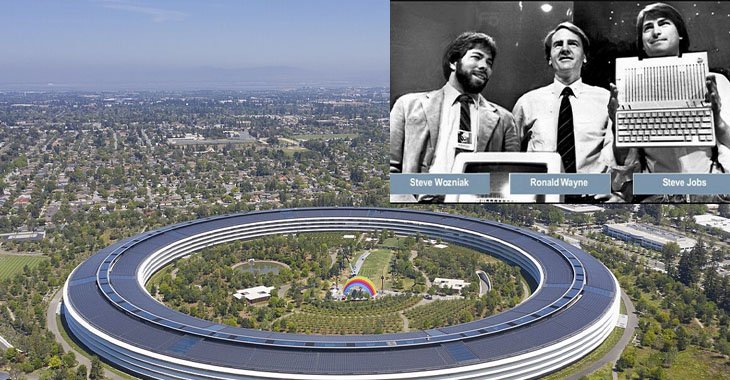
Founders: Steve Jobs, Steve Wozniak and Ronald Wayne
Headquarters: Cupertino, California, United States
Turnover: Approximately US$416.2 billion in fiscal year 2025
Currently managed by: Verify Apple’s current CEO at publication; Tim Cook served as CEO through the leadership transition announced in 2026.
Official website: https://www.apple.com/in/
Apple is a global technology company known for the MacBook Air, MacBook Pro, iMac, Mac mini and Mac Studio. These products combine Apple’s hardware, macOS operating system and in-house Apple silicon processors.
Unlike companies that compete primarily on the number of available configurations, Apple focuses on a tightly integrated hardware and software experience. Its computers are popular among software developers, designers, video editors, students and professionals who value performance, portability and integration with other Apple devices.
Apple has also expanded its manufacturing and supply-chain activity in India, particularly in the wider electronics ecosystem. However, the precise extent of domestic Mac computer manufacturing should be distinguished from the country’s more established iPhone production operations.
Founders’ biography
Steve Jobs and Steve Wozniak played complementary roles in Apple’s founding. Jobs was known for product vision, design, marketing and commercial strategy, while Wozniak was an accomplished engineer who designed the Apple I and Apple II computers. Ronald Wayne briefly joined as a third co-founder but left the company in its early days.
The original Apple computers helped make personal computing more accessible to individuals and small businesses. Jobs later became associated with products that combined technology, design and ease of use, while Wozniak’s engineering work contributed to the development of early personal computers.
Apple grew through several generations of products and eventually became a major global ecosystem spanning computers, smartphones, services and wearable devices.
Leadership and Turnover
Apple recorded approximately US$416.2 billion in global net sales for fiscal year 2025. This figure includes iPhone, Mac, iPad, services and other product categories; it is not Mac revenue alone.
Apple’s Mac computers occupy a distinctive segment of India’s market, especially among creative professionals, developers and consumers seeking integration with the company’s broader product ecosystem.
7. HCL: An Indian Computing Pioneer
Company name: HCL, including HCLTech and the wider HCL Group
Established: 1976 for the original HCL business
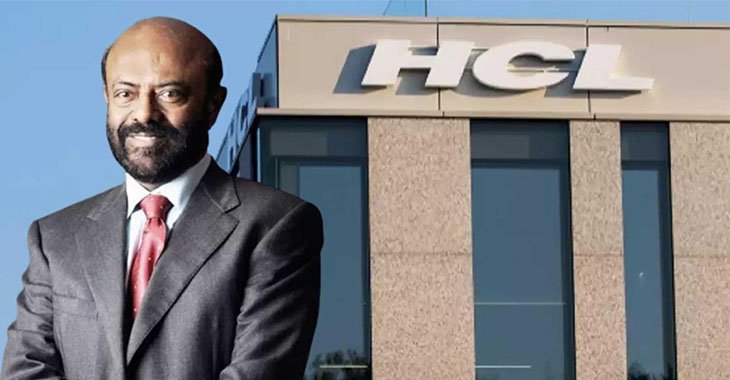
Founder: Shiv Nadar, alongside members of the founding team
Headquarters: Noida, Uttar Pradesh, India, for HCLTech
Turnover: HCLTech reported approximately US$14.6 billion in revenue for fiscal year 2025/26
Currently managed by: C. Vijayakumar is HCLTech’s CEO and Managing Director; Roshni Nadar Malhotra is HCLTech’s chairperson.
Official website: https://www.hcl.com/
HCL is one of India’s important homegrown technology groups. Its history is particularly relevant to computing because the original business began as a hardware company and helped develop indigenous computing products for the Indian market.
Over time, the HCL Group expanded into software, IT services, engineering, enterprise technology and digital transformation. HCLTech is now primarily known as a global technology services company rather than a large consumer laptop manufacturer.
The HCL name nevertheless holds an important place in India’s computing history. Its early hardware activities helped demonstrate that Indian businesses could develop and supply computing systems rather than depend exclusively on imported products.
It is important to distinguish HCLTech from HCL Infosystems and other businesses associated with the wider HCL ecosystem. Their operations and financial results are not interchangeable.
Founder’s biography
Shiv Nadar is an Indian entrepreneur and philanthropist who co-founded HCL in 1976. An engineering graduate, he recognised the opportunities emerging from microprocessors and the growing demand for computing technology.
He helped build HCL from a small enterprise into a major Indian technology group. Under his leadership, the business expanded from hardware into software, IT services and international markets.
Nadar also established the Shiv Nadar Foundation, which supports education and other philanthropic initiatives. His contribution to India’s technology sector is associated with entrepreneurship, institution-building and the development of domestic technological capabilities.
Leadership and Turnover
HCLTech reported revenue of approximately US$14.6 billion for fiscal year 2025/26. This is the revenue of the listed technology services company and should not be represented as the turnover of a computer manufacturing division.
HCL’s place in this list reflects its historical role in Indian computing and its continuing relevance to enterprise technology, engineering and digital infrastructure. Readers looking specifically for current HCL-branded consumer computers should verify the product and operating entity involved.
8. Wipro Limited
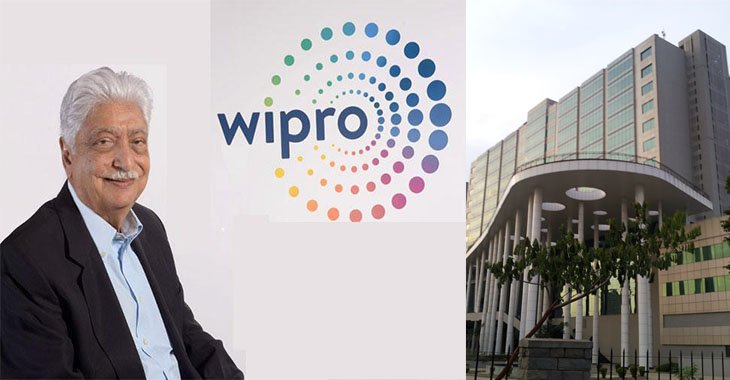
Company name: Wipro Limited
Established: 29 December 1945
Founder: Mohamed Premji; Azim Premji later transformed and expanded the business
Headquarters: Bengaluru, Karnataka, India
Turnover: Approximately US$10.5 billion in fiscal year 2024/25
Currently managed by: Rishad Premji, Executive Chairman, and Srinivas Pallia, CEO and Managing Director
Official website: https://www.wipro.com/
Wipro began as a business in the consumer products sector and subsequently became one of India’s major technology companies. Its evolution into IT services, consulting, engineering and enterprise technology reflects the broader development of the Indian technology industry.
Historically, Wipro’s technology operations have included computer hardware, IT infrastructure and business computing solutions. Today, its principal identity is as an IT services and consulting company rather than a mainstream manufacturer of consumer laptops and desktop computers.
Wipro remains relevant to enterprise computing through infrastructure management, digital engineering, cloud services and technology integration. Organisations frequently use such services alongside hardware purchased from specialist manufacturers.
For this reason, Wipro is best understood as a technology and enterprise computing company with historical hardware involvement, not as a direct equivalent of HP or Dell in the current consumer computer market.
Founder’s biography
Mohamed Premji established Western India Vegetable Products Limited in 1945. His original business operated in the consumer products sector rather than computer manufacturing.
After his father’s death, Azim Premji took leadership of the company in 1966. He guided its diversification into information technology and helped transform it into a major technology and services organisation.
Azim Premji became widely recognised for his business leadership and philanthropy. He established the Azim Premji Foundation, which works in education and related social-development areas. His contribution to India’s IT industry was principally in building a large technology enterprise from a business with a very different original focus.
Leadership and Turnover
Wipro reported revenue of approximately US$10.5 billion for fiscal year 2024/25. This figure relates to its overall business, which is dominated by IT services and consulting rather than computer hardware sales.
Its inclusion highlights the difference between computer manufacturing and the wider enterprise computing industry. Wipro contributes to India’s technology ecosystem through digital services and infrastructure expertise, even though it is not primarily a consumer PC manufacturer today.
9. Micromax Informatics
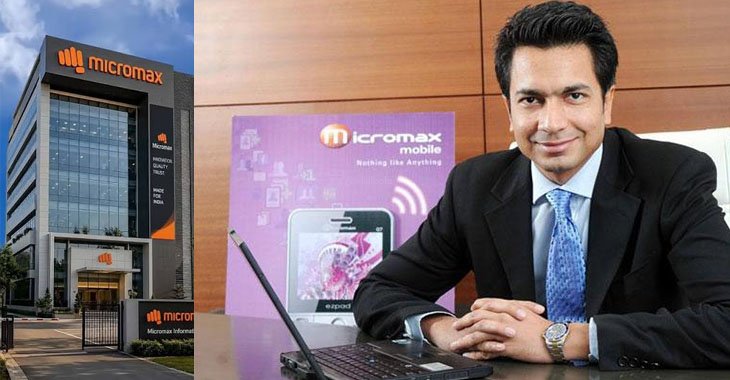
Company name: Micromax Informatics
Established: 2000 for Micromax Informatics; the wider Micromax Group traces its history to 1998
Founders: Rahul Sharma, Rajesh Agarwal, Vikas Jain and Sumeet Arora
Headquarters: The company has been associated with Gurugram, Haryana; verify the relevant legal entity’s current registered office.
Turnover: A reliable, current standalone turnover figure for Micromax Informatics was not identified in the cited public sources.
Currently managed by: Rahul Sharma remains a prominent co-founder and technology entrepreneur associated with the Micromax Group; verify the operating leadership of the specific computer business before publication.
Official website: https://micromaxinfo.com/
Micromax is an Indian consumer technology brand best known for its mobile phones and electronics. Its broader business history includes IT-related activities, mobile devices and electronics manufacturing through associated companies.
The brand became widely recognised by offering products aimed at price-conscious consumers and competing with international brands through accessible pricing and locally relevant features. Its growth during the expansion of India’s mobile market made it one of the country’s best-known homegrown electronics names.
Micromax has also been associated with the INBOOK range of laptops. However, it is important to distinguish the company’s historic reputation in mobile phones from its current scale in computer manufacturing. The existence of a laptop range does not by itself establish that Micromax is among India’s largest computer manufacturers by production volume.
The wider group has also moved into other areas, including electronics manufacturing and semiconductor-related initiatives, reflecting an effort to participate in India’s developing technology supply chain.
Founder’s biography
Rahul Sharma is an Indian entrepreneur recognised as a co-founder of Micromax. He helped build the business during a period when affordable consumer technology was becoming increasingly important in India.
Micromax gained attention through products designed for local market conditions and price-sensitive customers. Its expansion into mobile phones during the late 2000s helped establish the company as a major domestic competitor in the smartphone market.
The other co-founders, including Rajesh Agarwal, Vikas Jain and Sumeet Arora, also contributed to the company’s early development. Their work helped create a recognisable Indian consumer technology brand during a period of rapid growth in telecommunications.
Leadership and Turnover
Micromax’s wider group now describes activities in electronics manufacturing, semiconductors, biofuels and solar energy. Because these activities may involve separate legal entities, a group-level figure should not be confused with the revenue of Micromax Informatics or its laptop business.
For a business profile, the most responsible approach is to mark standalone turnover as not reliably disclosed unless a current audited filing can be obtained. This avoids presenting outdated or unrelated revenue figures as current computer sales.
Micromax remains relevant as an Indian technology brand, although its present position in the laptop market should be assessed separately from its earlier prominence in mobile phones.
10. Zebronics
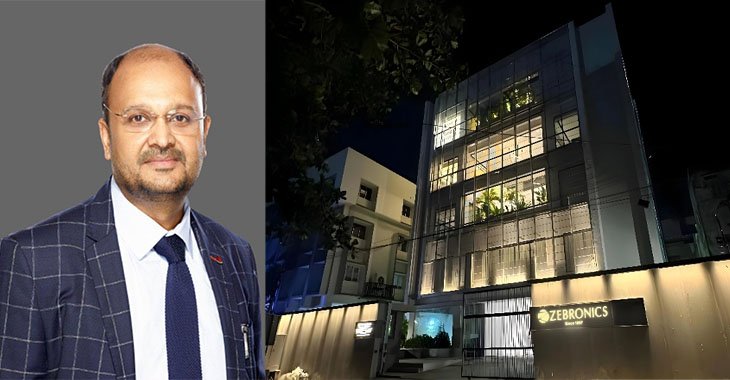
Company name: Zebronics India Private Limited
Established: 1997
Founder: Rajesh Kumar Doshi, associated with the founding and leadership of Zebronics
Headquarters: Chennai, Tamil Nadu, India
Turnover: A current standalone turnover figure should be confirmed from the latest audited filing or credit-rating report before publication.
Currently managed by: Operations are managed by directors including Rajesh Kumar Doshi, Pradeep Kumar Doshi, Sandeep Doshi and Yash Doshi, according to the cited company rating information.
Official website: https://zebronics.com/
Zebronics is an Indian electronics and computer-peripherals brand founded in Chennai in 1997. It is known for products such as keyboards, mice, speakers, headphones, monitors, gaming accessories, webcams and other consumer electronics.
Although Zebronics is not primarily a manufacturer of complete laptops and desktop computers on the scale of HP, Dell or Lenovo, its products are widely relevant to computer users. A desktop system, for example, often requires peripherals such as a keyboard, mouse, speakers, webcam and monitor, creating an important market for companies like Zebronics.
The company has expanded into gaming accessories, audio products, surveillance solutions and smart-home devices. Its positioning focuses on providing accessible products to Indian consumers across a range of budgets.
Zebronics is therefore best classified as an Indian computer-peripherals and consumer-electronics brand rather than a direct large-scale computer-system manufacturer.
Founder’s biography
Rajesh Kumar Doshi is associated with Zebronics’ founding and continuing business leadership. The company developed in India’s expanding electronics market, where increasing computer adoption created demand for affordable accessories and peripherals.
Building a peripherals brand requires attention to product availability, pricing, distribution and after-sales support. Zebronics expanded its presence through a broad retail network and a portfolio designed to serve home users, students, office customers and gaming enthusiasts.
Its development reflects the opportunities available to Indian businesses that specialise in complementary products rather than manufacturing complete computers.
Leadership and Turnover
Zebronics’ business includes IT peripherals, audio and video products, gaming accessories, surveillance equipment and related electronics. Its private-company structure means that revenue information must be checked against the correct legal entity and financial year.
A current turnover figure should not be guessed or substituted with an estimate from an unrelated group company. The latest credit-rating report and audited financial statements are suitable sources for a final, publication-ready number.
Zebronics remains an important homegrown brand in India’s wider computer ecosystem because peripherals and accessories are essential to everyday computing.
Conclusion
India’s computer industry brings together international manufacturers, domestic technology brands, enterprise computing specialists and peripheral suppliers. HP, Dell, Lenovo, Acer, ASUS and Apple are important names in the global computer market and have established commercial operations serving Indian customers.
HCL and Wipro represent India’s evolution into a major technology and enterprise computing hub, while Micromax and Zebronics illustrate the development of homegrown consumer technology and electronics brands.
For consumers, the choice between these companies depends on factors such as budget, performance, warranty, service availability, upgrade options and intended use. Students may prioritise affordability and battery life, businesses may focus on reliability and support, and gamers or creative professionals may require powerful processors and graphics capabilities.
For investors and industry researchers, the key consideration is to distinguish global parent-company revenue from India-specific turnover and complete computer manufacturing from assembly, distribution and peripheral production. These differences are particularly important when comparing companies operating under very different business models.
As India’s electronics ecosystem develops, local manufacturing, supply-chain investment, engineering capabilities and demand for computing devices are likely to remain important factors shaping the sector’s future.
The companies discussed above provide a useful starting point for understanding the diverse businesses that contribute to India’s computing market.