

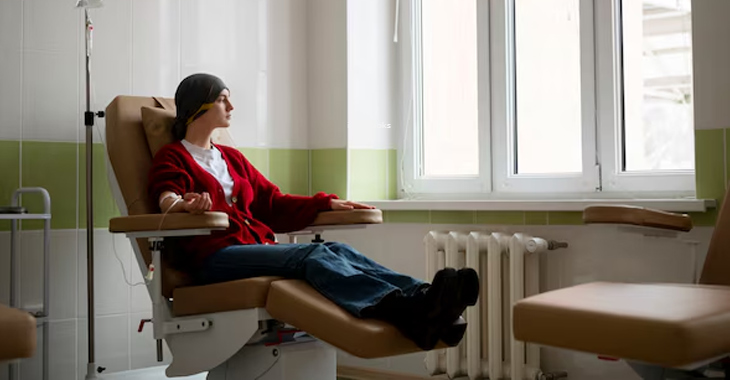

According to a study, social isolation and loneliness can increase the chance of mortality from cancer and all causes among people who already have the disease.
A group of Canadian researchers lead by those from the University of Toronto discovered that loneliness is rather widespread among cancer patients after pooling data from 13 studies with over 15 lakh participants.
After controlling for small sample sizes, a pooled data analysis revealed that loneliness was linked to an 11% increased chance of dying from cancer, according to nine studies that examined the possible impact of loneliness on cancer death for 2,142,338 patients.
The researchers’ article, which was published online in the open-access journal BMJ Oncology, stated that “these findings collectively suggest that loneliness and social isolation may influence cancer outcomes beyond traditional biological and treatment-related factors.”
After investigating the causes, the researchers discovered that loneliness and social isolation raise the risk of death for cancer patients through a network of interrelated behavioral, psychological, and biological processes.
“Biologically, the stress response triggered by loneliness may lead to immune dysregulation and heightened inflammatory activity, ultimately contributing to disease progression,” the investigators stated.
However, the distinct burden of cancer survival frequently consists of isolation that is directly related to the illness and the experience of treatment. This includes the stigma surrounding obvious treatment side effects, the incapacity of loved ones to completely comprehend cancer-related anxiety, and anxieties related to survivability, all of which have an impact on the psychosocial well-being of cancer patients.
Long-term medicalization of life can weaken pre-illness identity and community ties, and cancer treatment can also cause physical changes like fatigue and cognitive impairments that may further restrict social participation.
To enhance outcomes, the researchers added, it would be necessary to regularly integrate psychosocial assessments and focused therapies into cancer care if the results are validated in additional methodologically sound trials.