

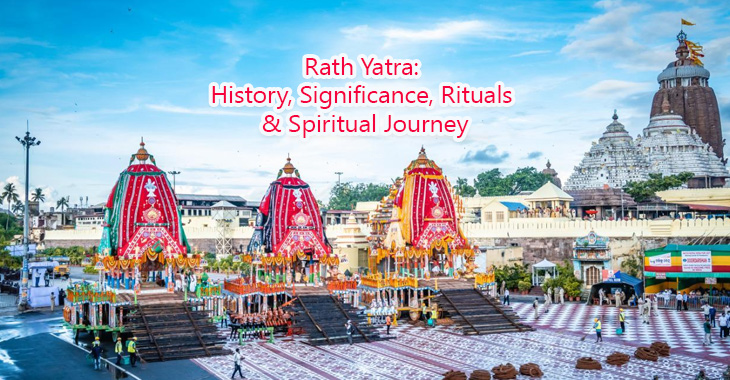

Rath Yatra, also known as the Chariot Festival, is one of the most celebrated and spiritually significant festivals in India. Dedicated to Lord Jagannath, along with his elder brother Lord Balabhadra and sister Goddess Subhadra, the festival symbolizes the Lord’s annual journey from the Jagannath Temple to the Gundicha Temple. While the most famous Rath Yatra takes place in Puri, Odisha, the festival is celebrated with equal devotion in various parts of India and across the world wherever devotees of Lord Jagannath reside.
The Rath Yatra is much more than a religious procession. It is a celebration of faith, equality, culture, and humanity. Millions of devotees gather every year to witness the divine spectacle of the three majestic chariots rolling through the streets of Puri, believing that even a glimpse of Lord Jagannath during the procession brings immense spiritual blessings.
The Origin and History of Rath Yatra
The origins of Rath Yatra date back several centuries and are deeply rooted in Hindu scriptures, legends, and traditions. References to the festival can be found in ancient texts such as the Skanda Purana, Brahma Purana, Padma Purana, and various Vaishnavite scriptures.
According to popular belief, Lord Jagannath desires to visit his birthplace, the Gundicha Temple, once every year along with his siblings. The annual journey signifies the Lord’s willingness to come out of the sanctum to bless every devotee regardless of caste, religion, social status, or background.
Historically, the Jagannath Temple in Puri was established during the reign of King Anantavarman Chodaganga Deva in the 12th century. Since then, the Rath Yatra has evolved into one of the world’s largest religious gatherings.
The festival gained international recognition through the efforts of the International Society for Krishna Consciousness (ISKCON), which organizes Rath Yatra celebrations in hundreds of cities worldwide.
The Deities of Jagannath
Unlike traditional Hindu idols carved with detailed features, the deities of Jagannath, Balabhadra, and Subhadra have a unique wooden appearance.
Lord Jagannath
Lord Jagannath is regarded as a form of Lord Krishna or Vishnu. His large round eyes symbolize his eternal watchfulness over humanity.
Lord Balabhadra
The elder brother of Jagannath represents strength, courage, and righteousness.
Goddess Subhadra
She symbolizes compassion, harmony, and divine feminine energy.
Together, the three deities represent balance, unity, and the complete divine family.
The Magnificent Chariots
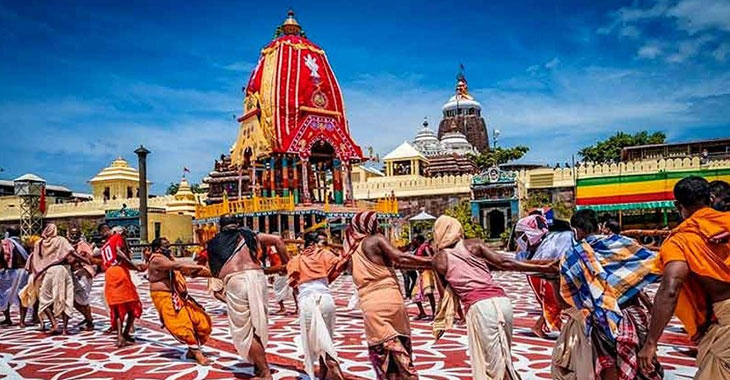
One of the most remarkable aspects of Rath Yatra is the construction of the three giant wooden chariots.
Every year, the chariots are built from scratch using specially selected sacred wood. Skilled artisans follow age-old traditions passed down through generations.
1. Nandighosha – Chariot of Lord Jagannath
Height: Approximately 45 feet
Wheels: 16
Color: Yellow and Red
Charioteer: Daruka
Horses: White
2. Taladhwaja – Chariot of Lord Balabhadra
Height: Approximately 44 feet
Wheels: 14
Color: Green and Red
Charioteer: Matali
Horses: Black
3. Darpadalana (Devadalana) – Chariot of Goddess Subhadra
Height: Approximately 43 feet
Wheels: 12
Color: Black and Red
Charioteer: Arjuna
Horses: Red
Thousands of craftsmen spend nearly two months constructing these magnificent chariots without using modern engineering methods.
Major Rituals Associated with Rath Yatra
Snana Purnima
The deities are ceremonially bathed with 108 pots of sacred water.
Anavasara
Following the ceremonial bath, the deities are believed to fall ill and remain away from public view for about fifteen days.
Netrotsava
The eyes of the deities are ceremonially repainted before Rath Yatra.
Pahandi Bije
The deities are carried from the temple sanctum to their respective chariots amidst devotional music and chanting.
Chhera Pahanra
One of the most symbolic rituals is performed by the Gajapati King of Puri, who sweeps the chariot platforms with a golden broom. This ritual signifies that before God, everyone is equal.
Gundicha Yatra
The deities travel to Gundicha Temple, where they remain for seven days.
Bahuda Yatra
The return journey to the Jagannath Temple.
Suna Besha
After returning, the deities are adorned with gold ornaments weighing hundreds of kilograms.
Niladri Bije
The deities finally re-enter the Jagannath Temple, marking the conclusion of the festival.
Spiritual Significance
The Rath Yatra symbolizes the journey of the soul toward liberation.
The chariot represents the human body.
The horses symbolize the senses.
The reins represent the mind.
The charioteer signifies wisdom.
Lord Jagannath represents the Supreme Consciousness guiding humanity toward truth and enlightenment.
The festival teaches devotees that life itself is a spiritual journey guided by faith, discipline, and devotion.
Symbol of Equality
One of the most unique aspects of Rath Yatra is its inclusiveness.
Unlike many temple rituals where access may traditionally be restricted, Lord Jagannath comes out to the streets, making himself accessible to everyone.
People from all communities participate in pulling the ropes of the chariots.
This act symbolizes:
- Equality
- Brotherhood
- Universal compassion
- Unity beyond social divisions
Rath Yatra Around the World
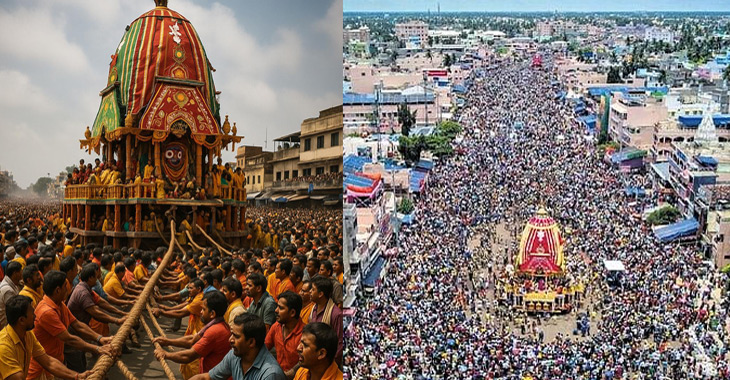
Today, Rath Yatra is celebrated globally.
Major celebrations take place in:
- London
- New York
- Toronto
- Sydney
- Johannesburg
- Moscow
- Singapore
- Kuala Lumpur
- Melbourne
- Dubai
ISKCON has played a vital role in introducing Rath Yatra to international audiences, attracting people from diverse cultural and religious backgrounds.
Economic and Cultural Impact
Rath Yatra contributes significantly to Odisha’s economy.
The festival generates employment for:
- Artisans
- Carpenters
- Flower sellers
- Textile workers
- Transport operators
- Hotel businesses
- Local vendors
- Tourism professionals
Millions of pilgrims boost local commerce, making the festival a major driver of cultural tourism.
Rath Yatra in the Digital Age
Technology has transformed how devotees experience Rath Yatra.
Today, millions watch live broadcasts through television and digital platforms. Drone photography, online darshan, mobile applications, and social media enable devotees worldwide to participate virtually. These innovations have broadened the festival’s reach while preserving its timeless traditions.
Environmental Initiatives
Recent Rath Yatras have incorporated sustainable practices, including:
- Eco-friendly decorations
- Plastic-free zones
- Improved waste management
- Solar-powered lighting in select areas
- Green awareness campaigns
- Water conservation measures
These efforts aim to balance tradition with environmental responsibility.
Lessons from Rath Yatra
Rath Yatra offers valuable life lessons:
- Humility is greater than power.
- Service is the highest form of devotion.
- Faith unites people across cultures.
- Equality is a divine principle.
- Tradition and modernity can coexist.
- Collective effort creates extraordinary achievements.
- Spiritual journeys require patience and perseverance.
- Why Rath Yatra Continues to Inspire Millions
For devotees, Rath Yatra is not merely an annual event but a profound spiritual experience. The sight of the towering chariots, the rhythmic chants of “Jai Jagannath,” the devotion of countless pilgrims, and the timeless rituals create an atmosphere of faith and celebration that transcends boundaries.
The festival reflects India’s rich cultural heritage while carrying a universal message of love, compassion, service, and unity. Whether witnessed in the sacred streets of Puri or celebrated in cities around the world, Rath Yatra continues to inspire millions by reminding humanity that the divine belongs to everyone.
Conclusion
Rath Yatra stands as one of the world’s most remarkable religious festivals, blending spirituality, tradition, craftsmanship, and community participation. Its enduring appeal lies in its powerful message of inclusiveness and devotion, where the Lord himself reaches out to the people.
As generations continue to celebrate this sacred journey, Rath Yatra remains a living testament to India’s spiritual legacy and cultural richness, inviting all to embrace the values of faith, humility, and universal brotherhood.