

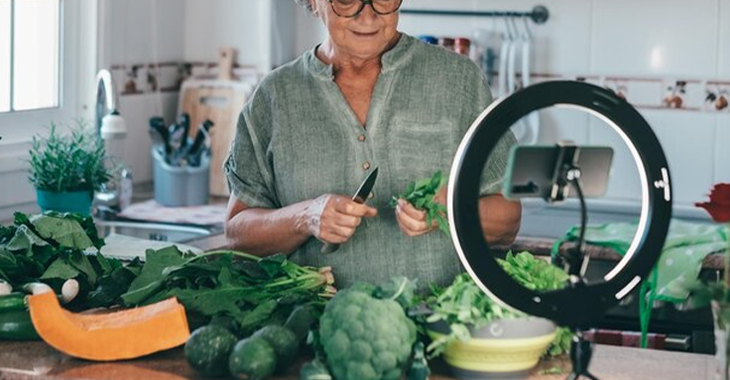

Consuming a bowl of cruciferous and leafy green vegetables, such as broccoli, kale, and spinach, may help prevent heart attacks and strokes, especially in older women.
Leafy green vegetables, which are high in vitamin K1, may help prevent atherosclerotic vascular diseases (ASVDs), according to a team of researchers from the Danish Cancer Institute, the University of Western Australia, and Edith Cowan University (ECU).
Heart attacks and strokes are the main causes of death worldwide, and ASVD is a subclass of cardiovascular illnesses. It can result in cardiovascular issues by causing plaque to accumulate inside the arteries.
A higher dietary intake of vitamin K1 may lower the risk of ASVD, according to a study done on 1,436 older women.
Furthermore, because it affects bone strength, vitamin K may also be good for musculoskeletal health.
Interestingly, a higher consumption of vitamin K1 also results in reduced atherosclerosis, or hardening of the blood arteries in the neck.
Vitamin K1 found in leafy green and cruciferous vegetables, such as spinach, kale, and broccoli, may help avoid the vascular calcification processes that define cardiovascular disease. Montana Dupuy, an ECU Senior Research Fellow, said, “The good news is that you can easily incorporate these vegetables into your daily meals. A cup and a half of these vegetables is an easy way to increase our daily vitamin K intake and may lower our risk for cardiovascular disease.”
According to this study, women who ingested roughly 30% more vitamin K1 had a lower long-term risk of ASVD, he stated.
The team is now developing new meals that contain more leafy greens that are high in Vitamin K1 to be utilized in communities with unique nutritional and dietary needs, such as elderly care residents, because the research offered important evidence to support future investigations.